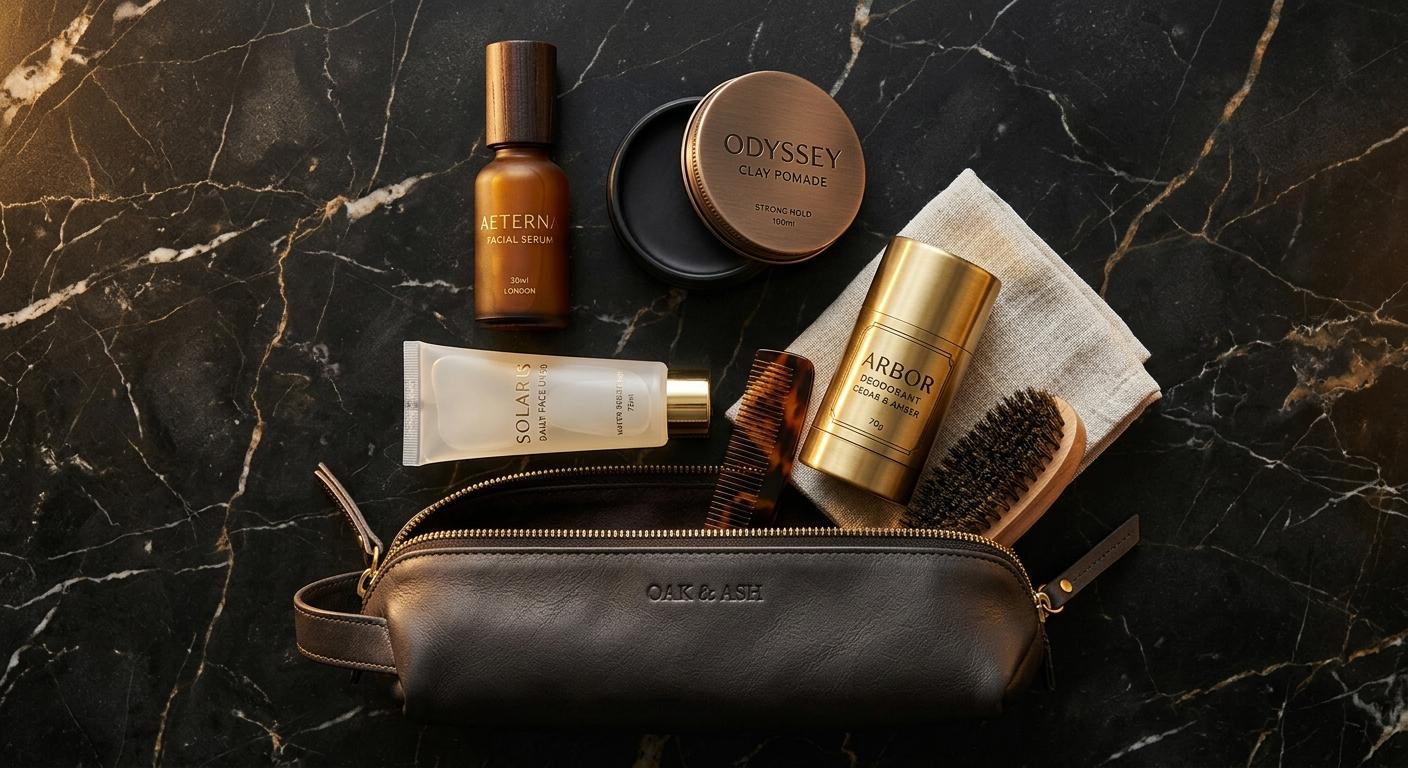
There is a trend making the rounds in hotel trade press right now: the world's best properties are pulling Peloton bikes out of the basement gym and dropping them in your room. LED light therapy masks on the nightstand. Minibars stocked with CBD drops, magnesium gummies, and sleep patches instead of mini bottles of Maker's Mark. The pitch is 'wellness delivered to your room.'
Considering I've stayed in enough hotel rooms to know that the mini bottle of Maker's Mark was never the problem, I find this very funny. But it's also telling you something real about where the high-end hotel market is going, and if you're planning a date night or a weekend away in the next twelve months, it changes what you should actually be looking for.

What The Wellness Room Trend Is Actually Saying
Luxury hotels figured something out: the guests who are worth chasing don't want more stuff in the room. They want better hours in the room. The shift from 'here's a Peloton' to 'here's a sleep patch and a blackout shade that actually works' is a hotel saying the same thing a good restaurant is saying when it removes the television from above the bar. Slow down. Stay present. The experience is the point.
For a couple planning a weekend, or even just a Friday night, the implication is worth noting. The hotel that stripped the gym and replaced it with a room that actually functions as a sanctuary is the hotel that's designing around the guest who wants to decompress together, not optimize separately.
The best date-night hotel stays I've seen in Atlanta and along the Georgia coast share one quality: the room disappears. You stop thinking about whether the mattress is right or whether the HVAC is cycling at 3 AM, which, for the record, is a construction problem as much as a hotel problem, and bad duct design in a hotel room is the fastest way to ruin a $400 night. When the room disappears, the stay becomes about the two people in it.
Where This Lands In Metro Atlanta Right Now
For anyone planning a date-night stay without leaving the metro, the honest shortlist has tightened considerably. A few properties are doing this well.
The Whitley in Buckhead is the move for a one-night anniversary stay that doesn't require a four-hour drive. The rooms are quiet (genuinely quiet, which is an engineering decision, not a marketing claim) and the bar program at its ground-floor lounge is serious enough to anchor the night without driving anywhere. The room rate runs $350-$500 on a Friday night depending on season. You're paying for the silence and the Buckhead positioning. Both are worth it.
The Loews Atlanta in Midtown is the choice if you want walkability to be part of the plan. Piedmont Park at sunrise is a real option from that address, and the rooms facing west pick up Midtown at golden hour in a way that makes the iPhone come out. Rates hover around $280-$400. The spa is functional, not theater.
The Candler Hotel downtown is the room for people who want the story to start with the building. It's an Asa Candler commission from 1906, restored with the bones intact: marble lobby, original detailing, the kind of place where the architecture is doing half the work for you. From a construction standpoint, working with a building that old and keeping it honest is harder than building new. They did it right. Rates start around $250.

For the drive-worthy option: The Cloister at Sea Island remains the four-hour-from-Atlanta answer when the calendar permits. The wellness room trend that Condé Nast is writing about is essentially what Sea Island has been doing for a decade in resort form. The experience is designed to slow you down, and the room delivers on that. Shoulder season rates (late April, late October) run $850-$1,100 for a Sea View King. If the anniversary warrants it, it warrants it.
The Actual Takeaway For Planning A Date Night Stay
The Peloton-in-the-room is a tell. Any hotel that is leading its pitch with in-room fitness equipment is designing for the solo business traveler who feels guilty about not working out. That is not the product you want for a Friday night with your partner.
Here is what to screen for instead:
Noise floor. Ask directly: what floor is the room on, and what faces the street? A well-engineered hotel room in a concrete-and-steel build will hold sound out at the window assembly. A value-engineered hotel room in stick-frame construction, which describes a surprising number of 'boutique' properties built after 2010, will not. You'll hear every door in the hallway.
Blackout quality. Full blackout in Atlanta means full blackout: not 'the curtains overlap if you pin them.' This is a detail worth calling the front desk about before you book. The answer tells you how seriously the property takes the room.
The minibar decision. I don't actually want CBD gummies and a sleep patch. I want two good glasses, a bottle of something worth drinking, and ice that arrives cold. The property that has thought about that is the property worth booking. The one loading in wellness consumables is performing health-consciousness for the Instagram review.
> The best date-night hotel room is the one you stop noticing. That's not a design aesthetic: it's an engineering standard. The room that holds sound, holds temperature, and holds light without fighting you is the one built by people who understood what the guest actually needed.
The wellness room trend will peak, the Pelotons will migrate back to the gym level, and the properties that built the room right to begin with will still be the ones worth booking. Atlanta has a few of them. Georgia has more.
Take her to one of them. Skip the LED mask. Order the good bourbon.