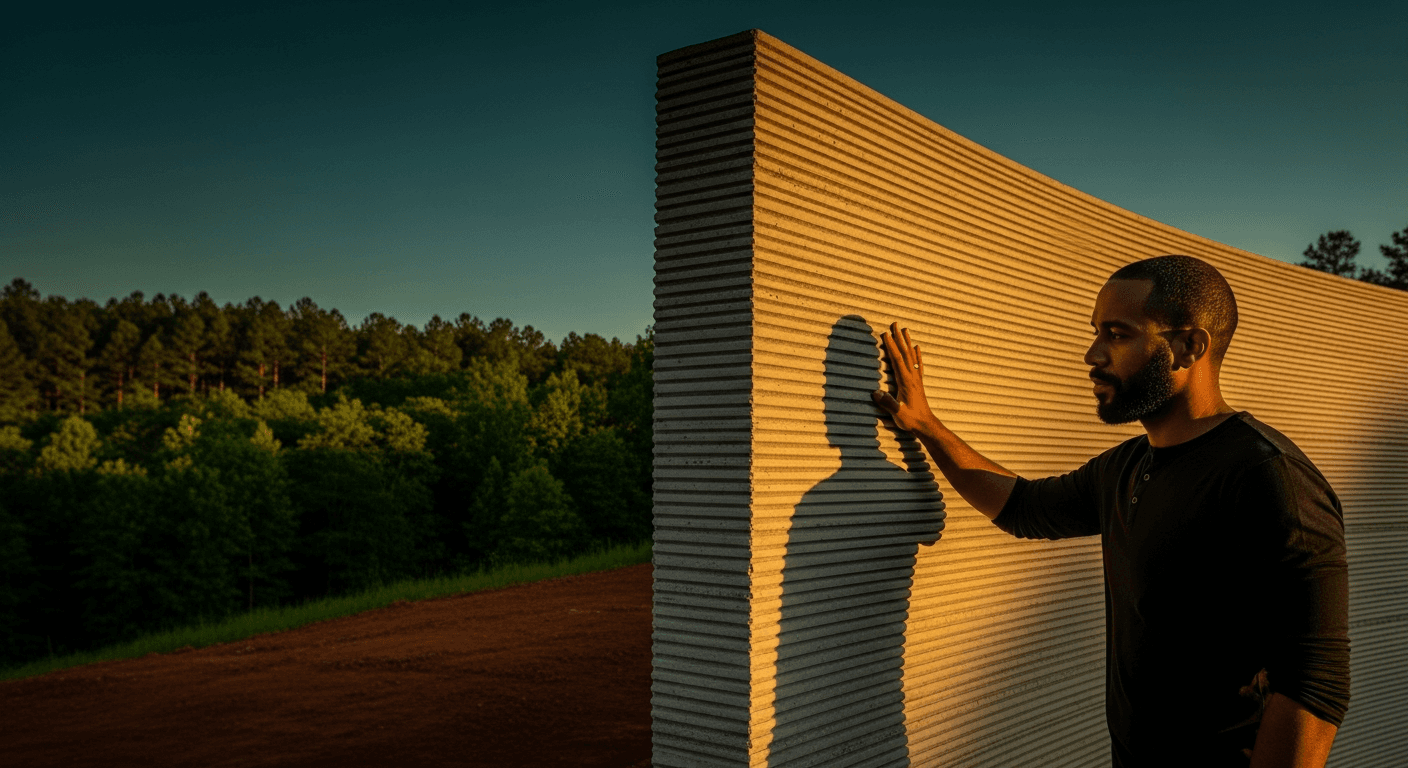
ICON just dropped renderings for Desperado: 88 3D-printed homes wrapped around two artificial surf lagoons on 450 acres outside Waco. It's getting the architecture-press treatment, and rightfully so. But let me give you the read that the design blogs won't.
First, what ICON is doing technically is genuinely interesting. Their Vulcan system extrudes a proprietary concrete mix called Lavacrete, layer by layer, no formwork, minimal labor on the structural shell. They've already delivered homes in Austin, a community in Mexico, and housing prototypes for NASA. This isn't vaporware. The technology is real and it's moving fast.
Here's what 20 years managing construction across every major building system taught me about why that matters, and where the conversation usually goes wrong.
The concrete shell is only one piece of a house. What ICON prints is the structural envelope. After that, you still need the same five building systems every other house needs: electrical, plumbing, HVAC, roofing, and finishes. Those are installed by the same trades, with the same variables, subject to the same inspection gates. 3D printing the walls doesn't change what lives inside them or above them.
What it does change, potentially, is speed, labor cost on the structural phase, and waste on that phase. If the shell goes up in days instead of weeks, and you're not paying a framing crew or buying 20% waste lumber, the math on certain build types starts to look different. Especially in land-constrained or labor-constrained markets.
The Waco project is also conceptually smart. Amenity-led residential communities aren't new. Golf course homes have worked for decades, and now surf lagoon communities are the new version of that playbook. Crystal Lagoons has already done it in metro Atlanta (Eppinette at Tributary in Villa Rica has a lagoon component nearby). The 3D-printed angle adds a marketing narrative on top of an already-proven lifestyle residential model.
What I'd want to know before I bought in: Who's doing the MEP work (mechanical, electrical, plumbing) and what's the build quality on the systems that actually fail (not the concrete shell, but the ductwork, the electrical panels, the plumbing chase design). The shell lasts forever. The systems are what you live with.
For Atlanta: ICON isn't printing in Georgia yet, but the broader shift toward manufactured and modular construction is already here, and the labor math that makes 3D printing attractive in Texas is the same labor math driving modular adoption in Cherokee, Coweta, and Henry counties right now. The form changes. The underlying logic doesn't.
If you're watching this space and wondering what it means for the homes you're buying or building in metro Atlanta, send the question through. That's exactly the kind of systems-level read that a construction background makes a lot faster.
Thinking about a move?
Beckett Real Estate works the whole of Metro Atlanta. Tell me the address or the neighborhood and I will tell you what the house is really like, what the inspection usually finds, and what the number should be.
See homes for saleTalk to an agent nowMore articles like this