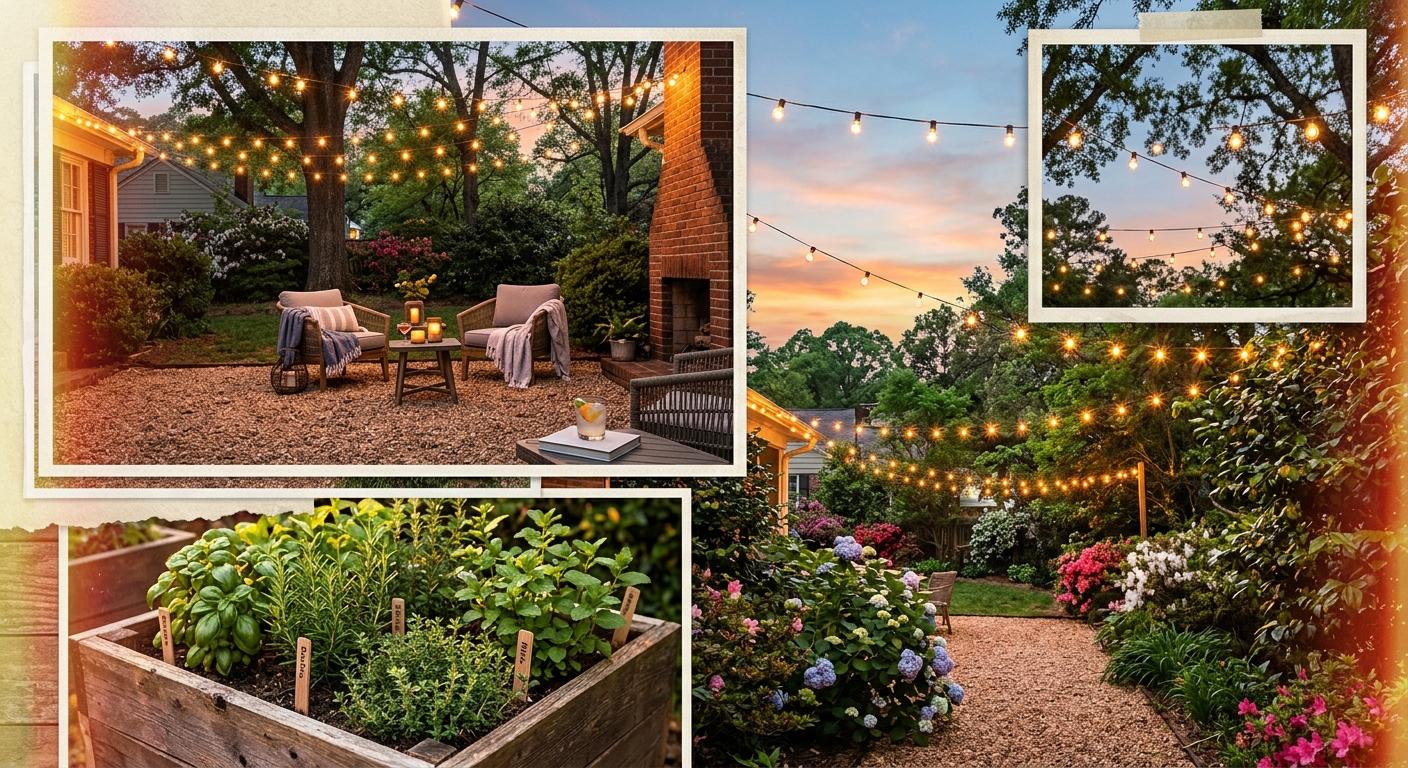
Every spring, the same thing happens: Georgia thaws out, the dogwoods bloom, you walk into your backyard for the first time since October, and you think "I should do something about this." Then you Google "patio renovation" and see numbers that start at $15,000, and you go back inside and watch TV. I get it. But here's the thing — the projects that actually transform how you use your outdoor space aren't the expensive ones. The expensive ones are just bigger. The ones that change your daily life are the ones that create a reason to be outside. Here are five. None of them cost more than $500. All of them can be done in a weekend or less.
1. String Light Canopy — $150
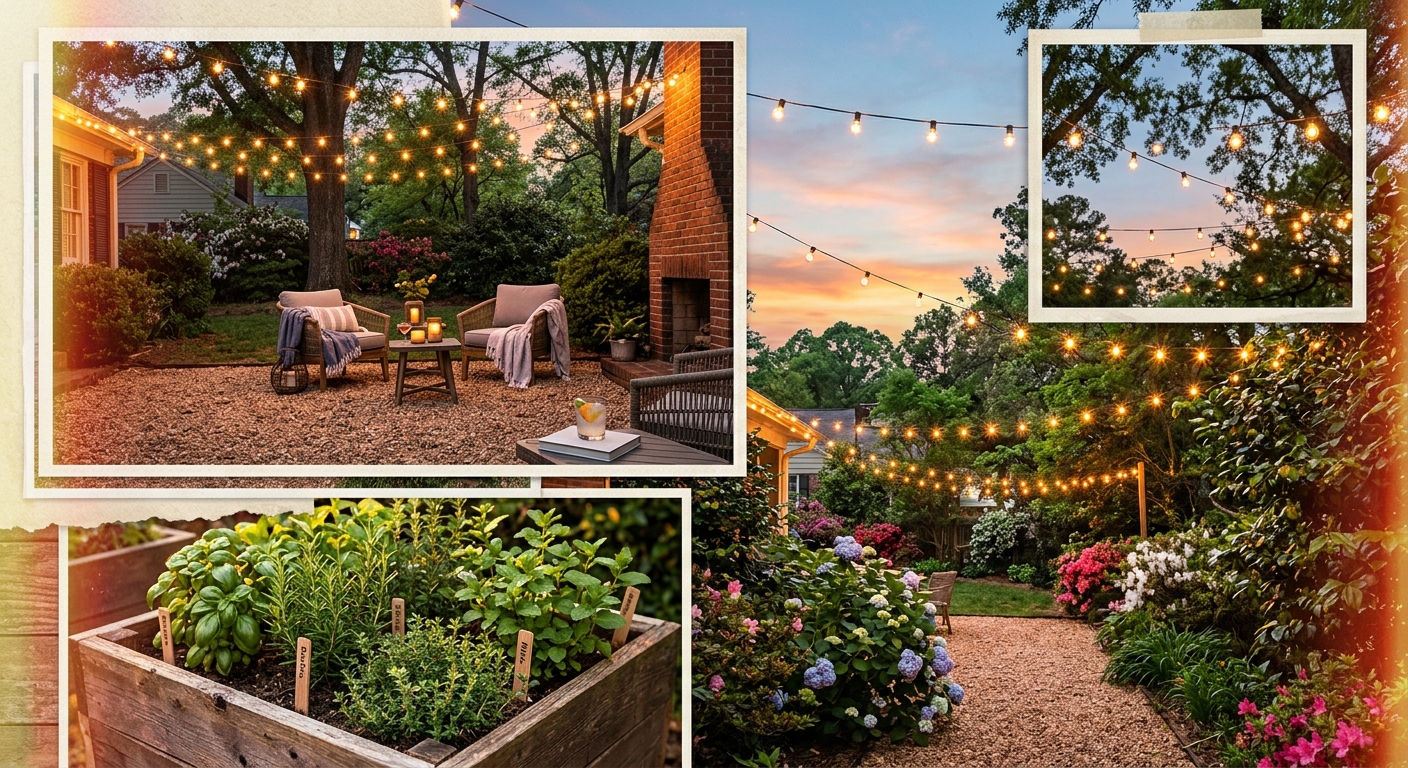
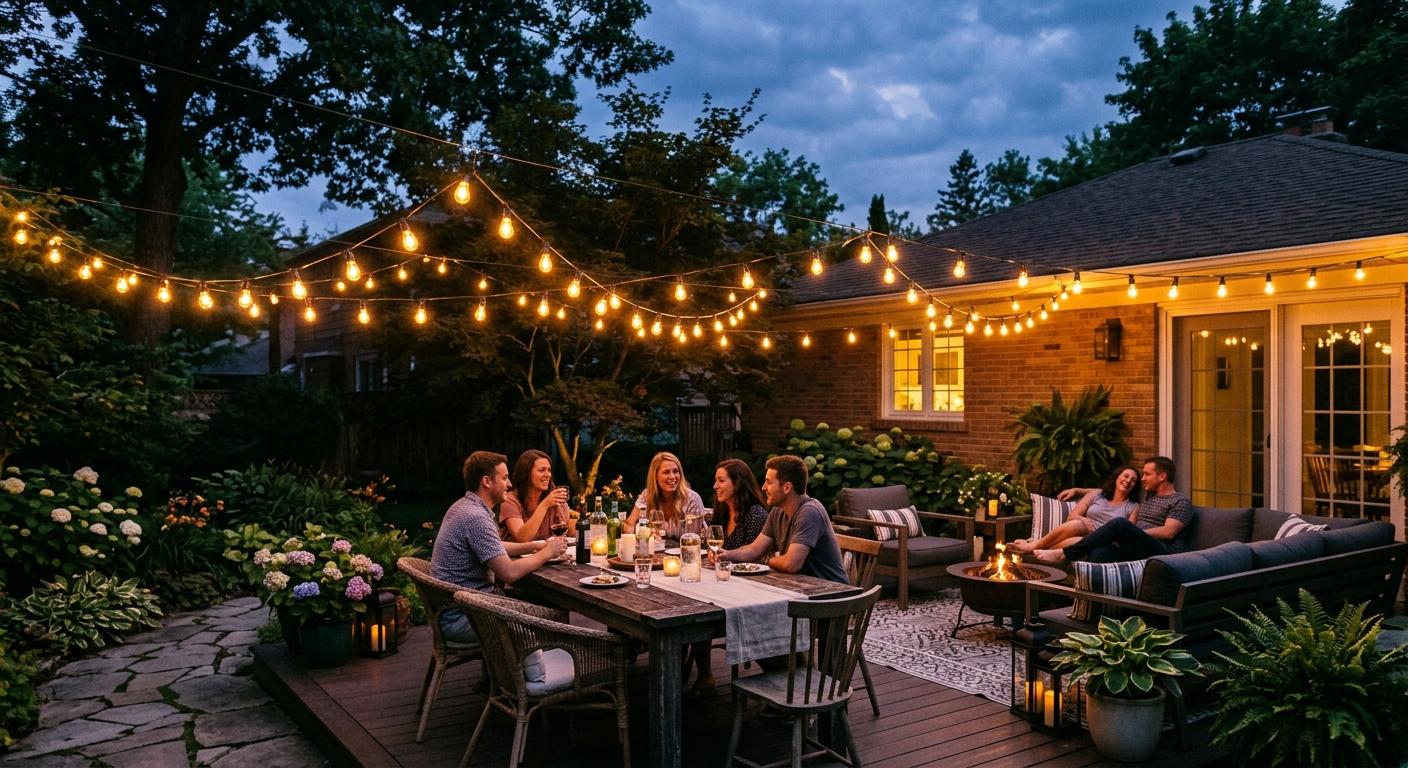
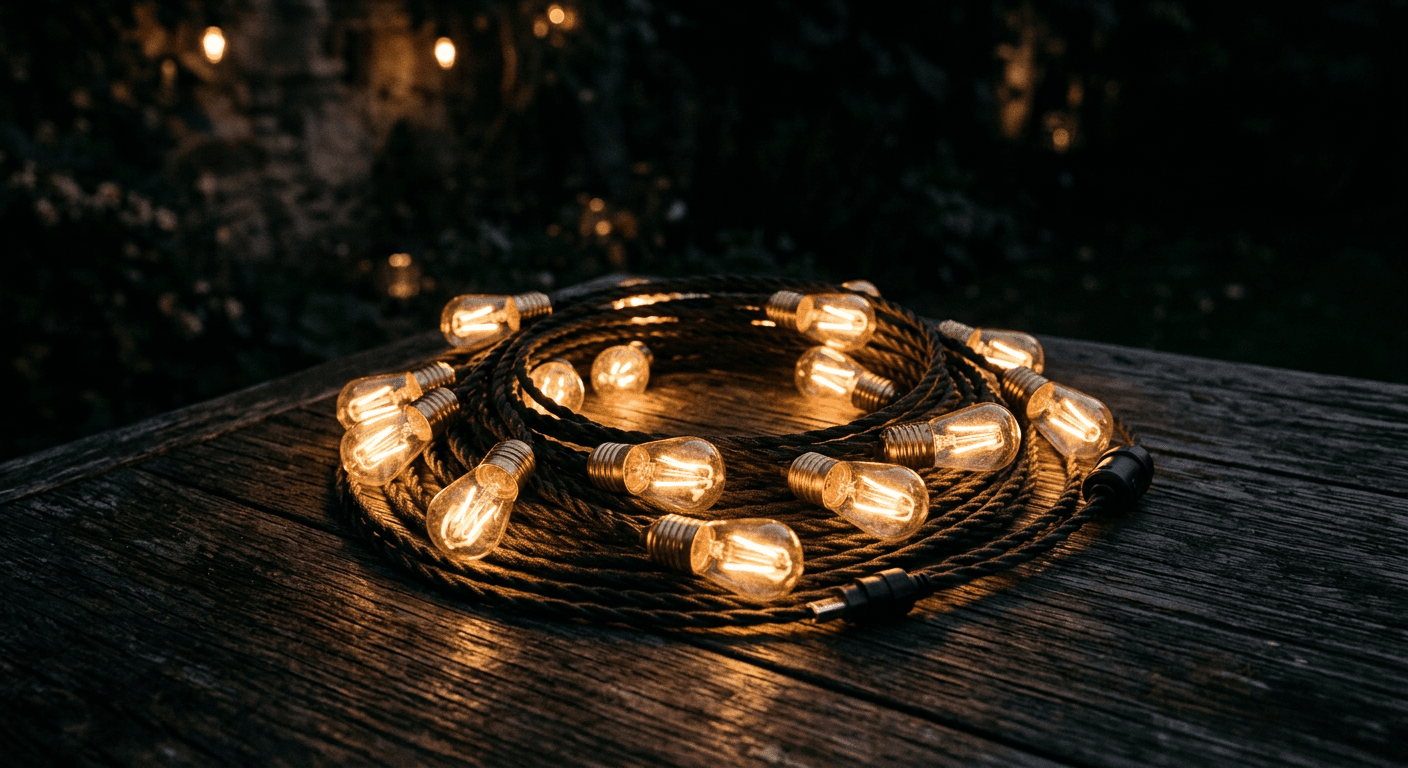
This is the single highest-impact, lowest-cost upgrade you can make to any outdoor space, and I will die on this hill. A properly installed string light canopy turns a suburban patio into something that looks like a restaurant terrace in Savannah. The key word is "properly" — not the droopy, sagging, taped-to-the-gutter disaster you see on every other house in Cobb County.
Here's how to do it right: Buy commercial-grade string lights, not the ones from the seasonal aisle at Target. I use Brightech Ambience Pro — they're LED, weatherproof, 48-foot strands with 2-watt Edison bulbs. They've survived three Georgia summers on my patio without a single dead bulb. Two strands runs you about $70 on Amazon. For the support structure, you need 4x4 treated posts (two or four, depending on your layout), set 2 feet into the ground with quick-set concrete. Mount cup hooks at the top. String the lights in parallel lines, keeping the sag to about 12-18 inches at the center for that gentle drape. Total: two 4x4 posts ($20), two bags of concrete ($12), cup hooks ($8), and two strands of lights ($70). That's $110-150 depending on how many posts you need.
The trick that elevates this from "backyard lights" to "intentional design" is height and spacing. Mount the posts at 10 feet — high enough that the lights float above head height with their natural sag. Space your parallel strands 4-5 feet apart. When you turn them on at dusk in April, with the warm Georgia air and the pollen finally clearing out, you will sit outside every single night. That's a guarantee.
2. Gravel Patio with Border Pavers — $500
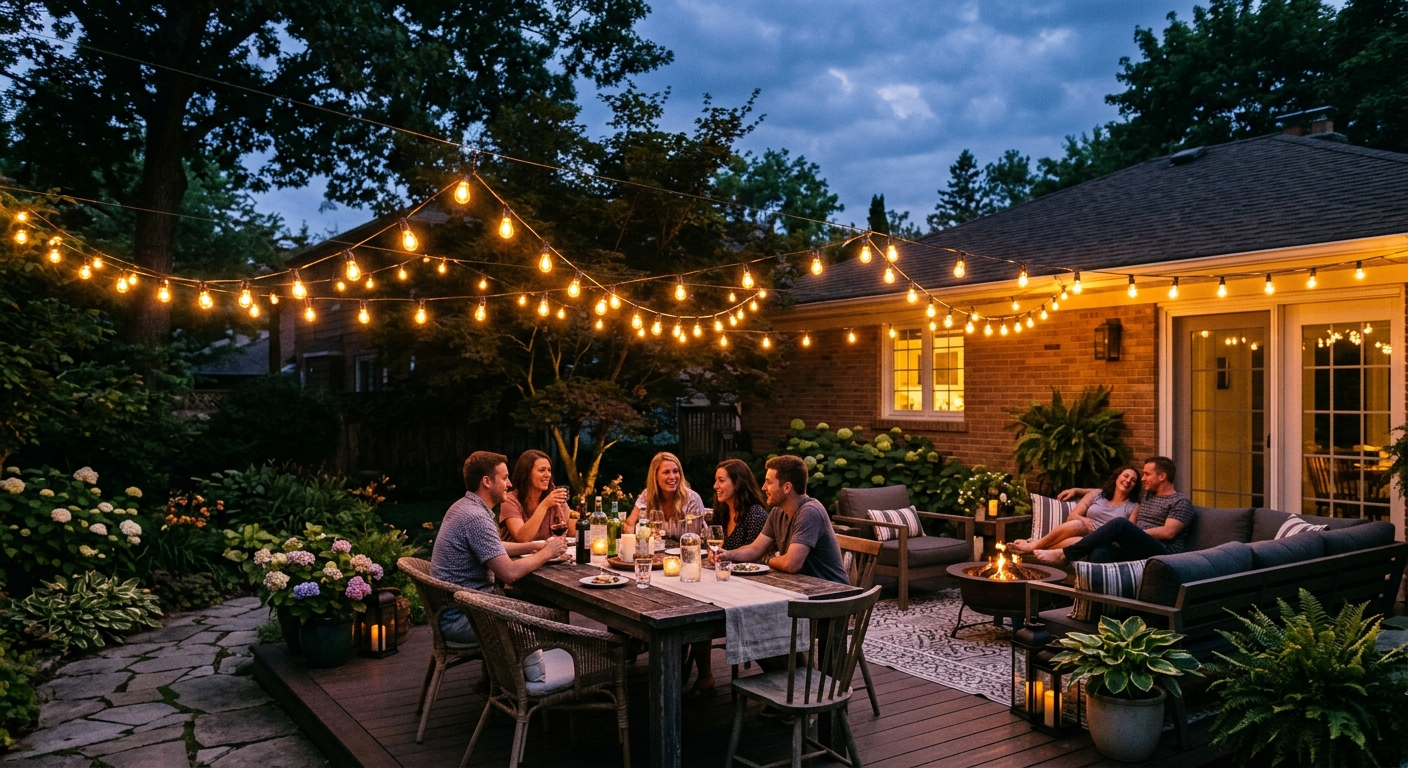
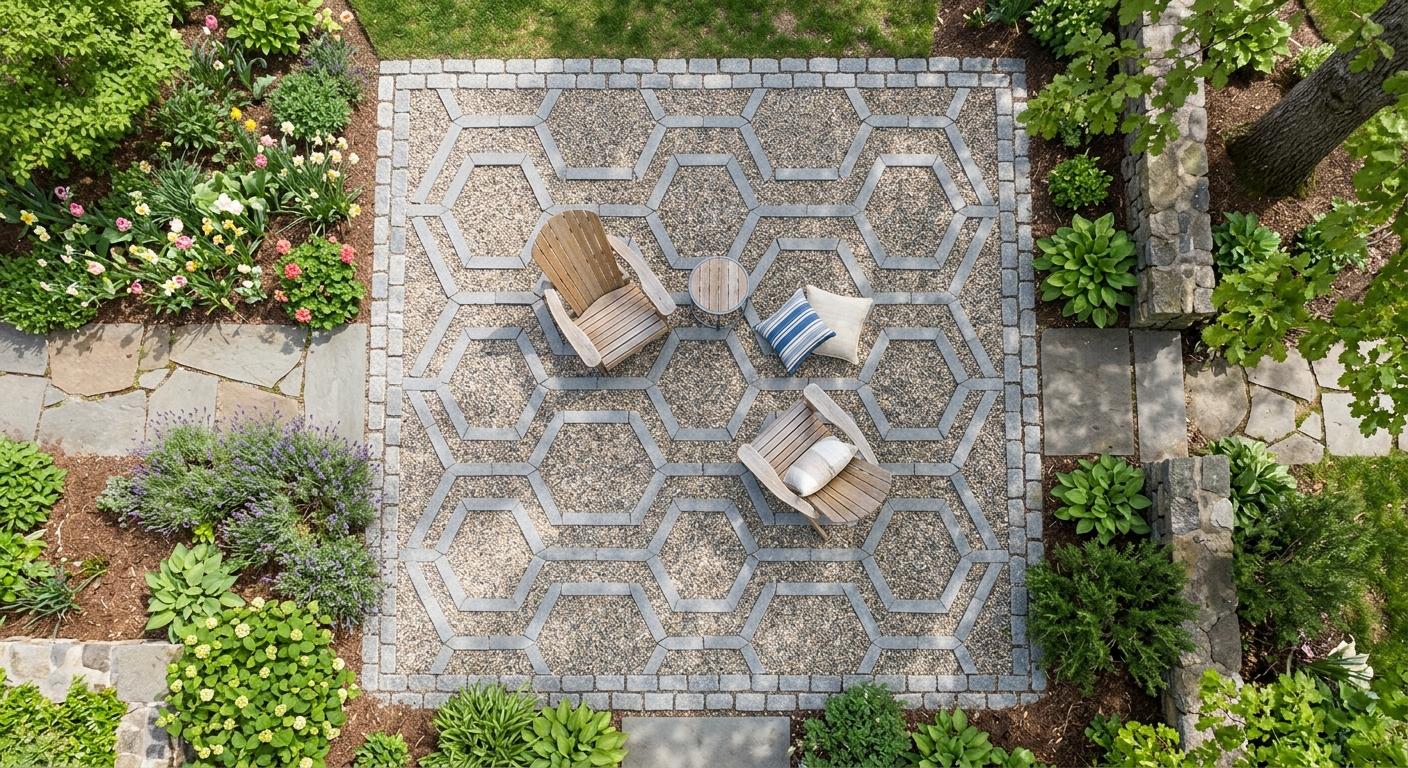
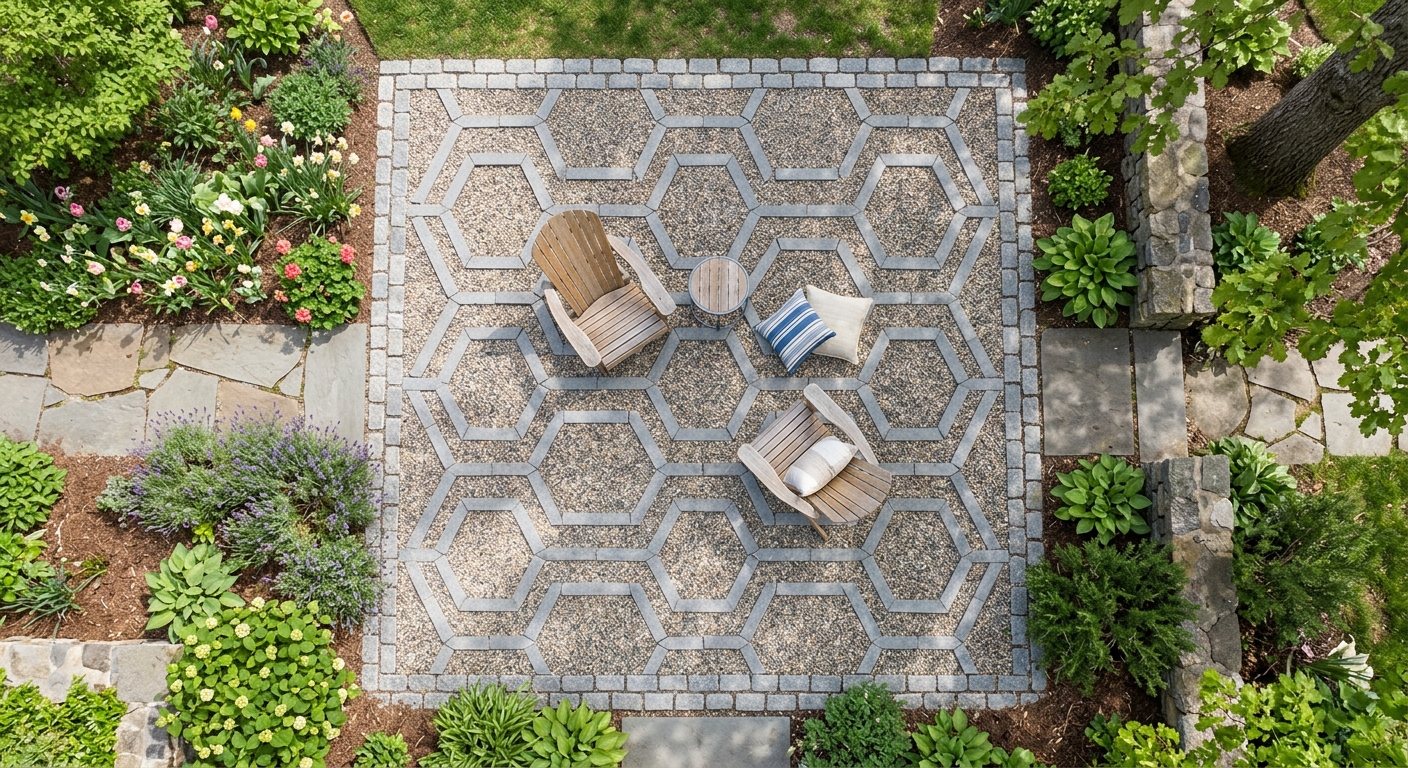
If you've got a patch of yard that's too shady for grass and too muddy for furniture, a gravel patio is the answer. I've built probably a dozen of these over the years and the formula is dead simple: edge with landscape timbers or concrete pavers, lay landscape fabric, fill with pea gravel or decomposed granite. Done. No concrete truck. No grading crew. Just a shovel, a level, a tamper, and about six hours of honest work.
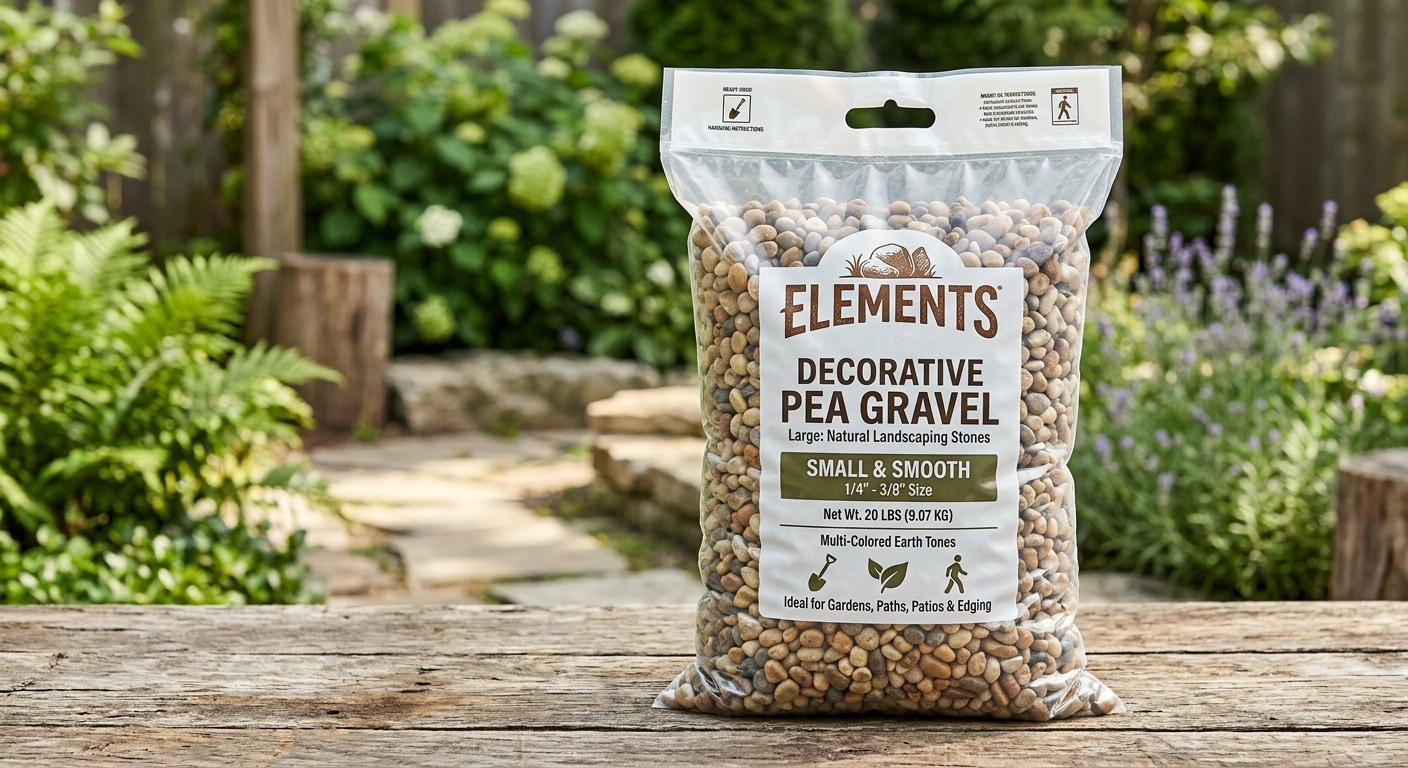
For a 10x12-foot patio — enough for a four-person dining set and a fire pit — here's the bill: 24 concrete edge pavers ($72 at Home Depot, the Holland pavers in Charcoal look great), 3 rolls of commercial landscape fabric ($45), and about 2.5 tons of pea gravel or 3/8" river rock ($180-250 delivered). Oldcastle and Pavestone both deliver in metro Atlanta, or you can trailer it from a landscape supply yard in Kennesaw or Conyers for less.
The installation sequence matters: dig out 4 inches of soil in your footprint, lay a 2-inch base of compacted crusher run (optional but prevents sinking — $60 for a half-ton), install your border pavers with stakes, roll out landscape fabric overlapping seams by 6 inches, and pour your gravel 2-3 inches deep. Level it with a garden rake, tamp the edges, and you're done. The whole thing takes a Saturday. Drop a pair of Adirondack chairs and a side table on it and you've got a destination in your own backyard.
Pavestone
Pea Gravel 0.5 cu ft Bag
See price on AmazonAvailable at Home Depot or landscape supply yard
Shop Now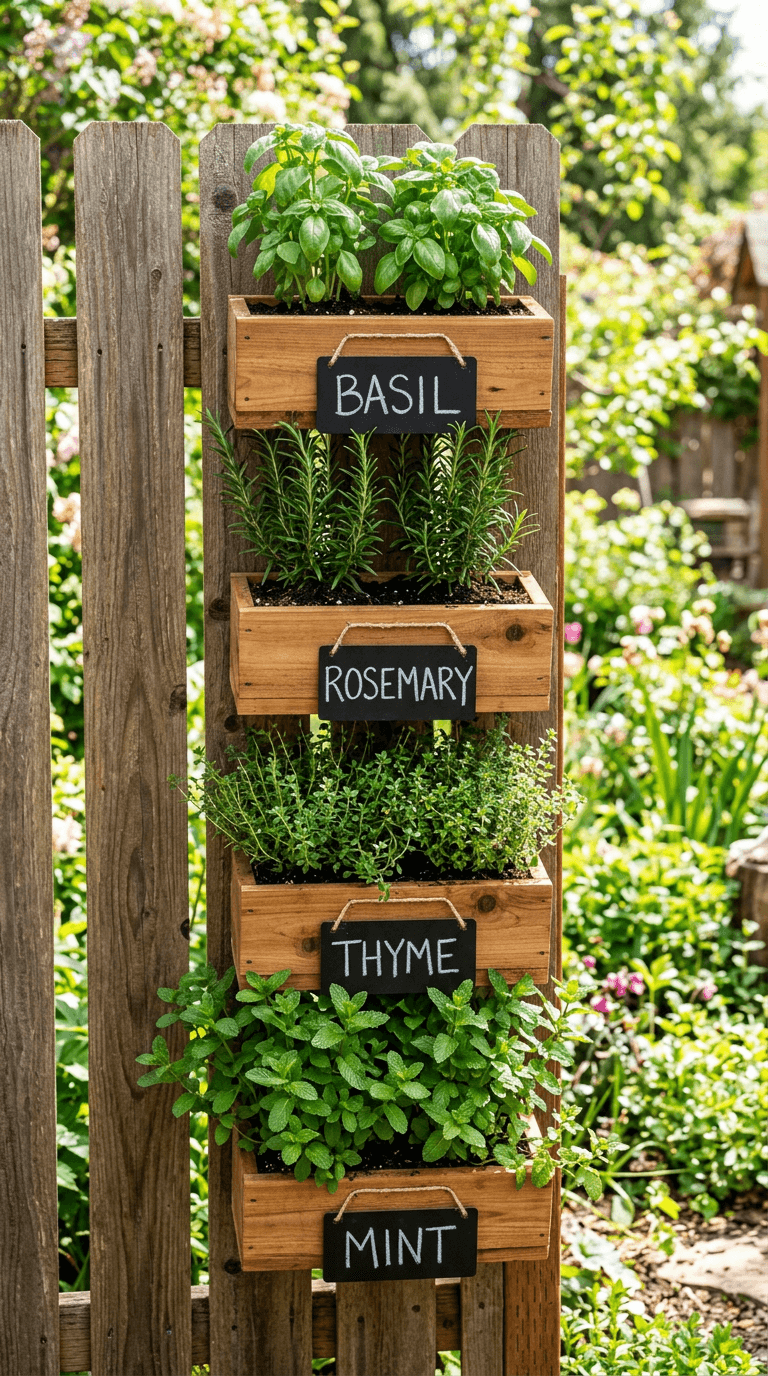
3. Vertical Herb Garden Wall — $200
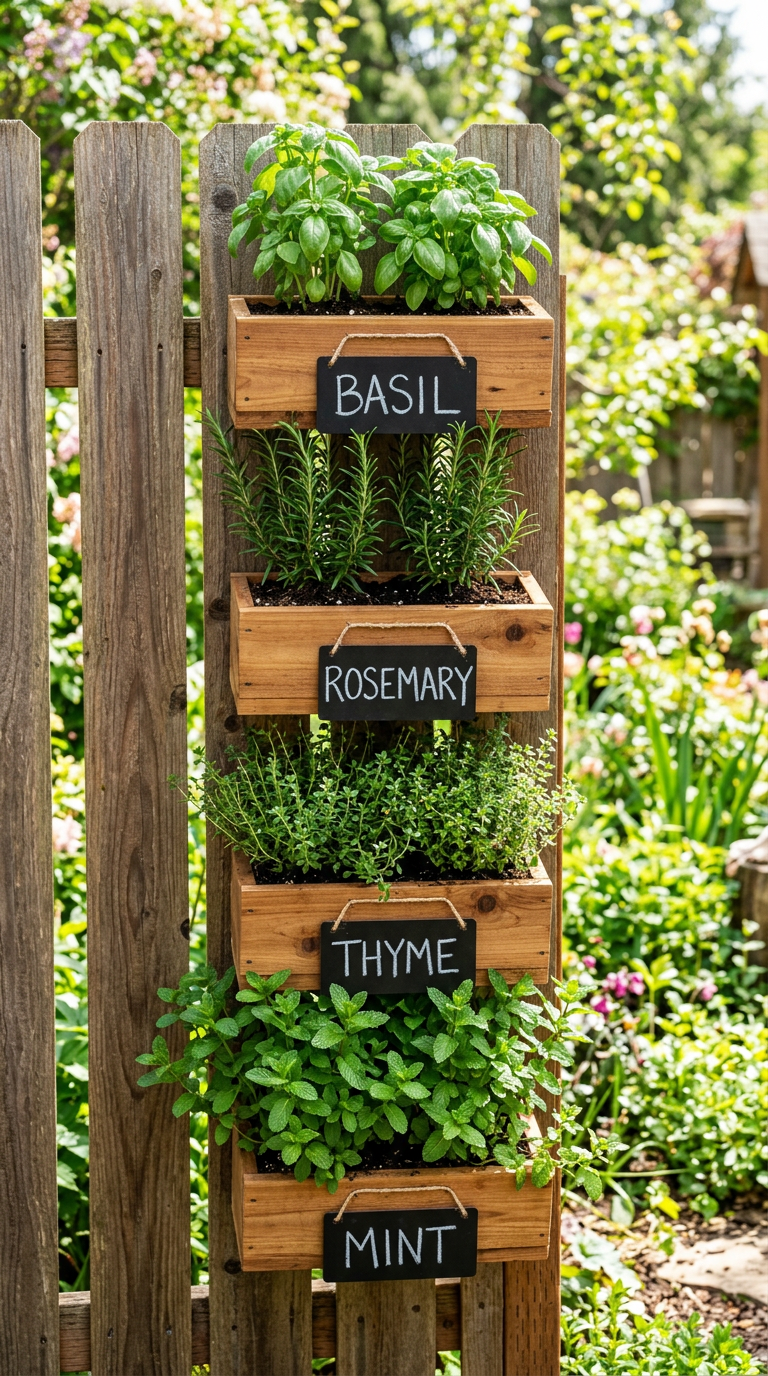
This one's for the fence. Every backyard in metro Atlanta has a stretch of privacy fence that's just... there. Staring at you. Doing nothing. A vertical herb garden turns that dead space into something productive and visually interesting — and it gives you fresh basil, rosemary, thyme, and mint from April through October in our climate.
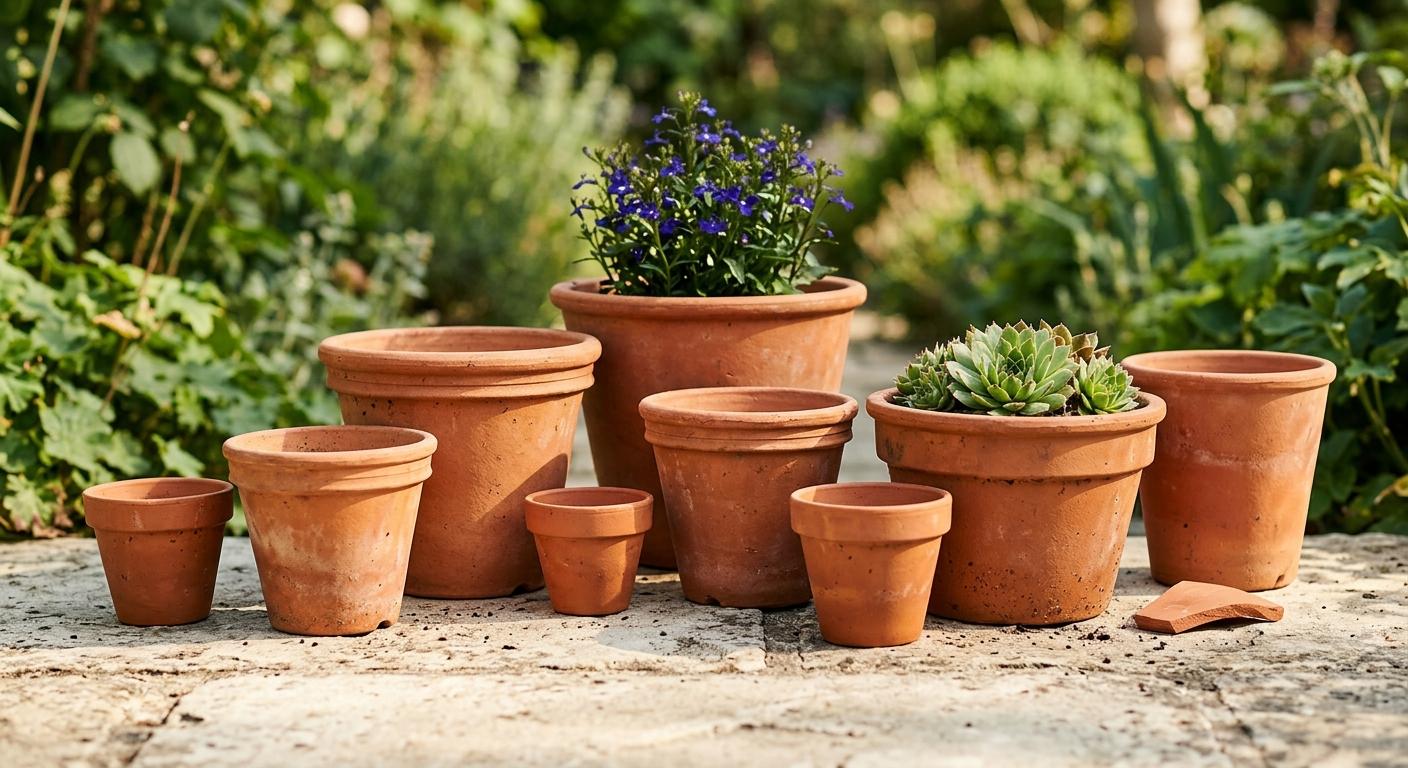
Build a simple frame from 1x4 cedar (about $30 worth), mount it to the fence, and hang terracotta or galvanized pots using S-hooks on a horizontal rod or lag screws through the back of each pot's drainage hole. I use the 6-inch clay pots from Pike Nurseries — $3.50 each, and they look ten times better than plastic. Twelve pots gives you a substantial wall garden. Fill with a good potting mix (not topsoil — potting mix, with perlite for drainage) and plant your herbs from starts, not seeds. Pike's on Peachtree Industrial and the location in Marietta both carry a great herb selection starting in late March.
Total: cedar framing ($30), 12 clay pots ($42), potting mix ($18), herb starts ($36 for a dozen), hardware and hooks ($25), spar urethane for the cedar frame ($28). Right around $180-200. The rosemary alone will save you $15 a month at Publix, and your fence finally has a personality.
Terracotta
6-Inch Terra Cotta Clay Pot (12-pack)
See price on AmazonAvailable at Pike Nurseries
Shop Now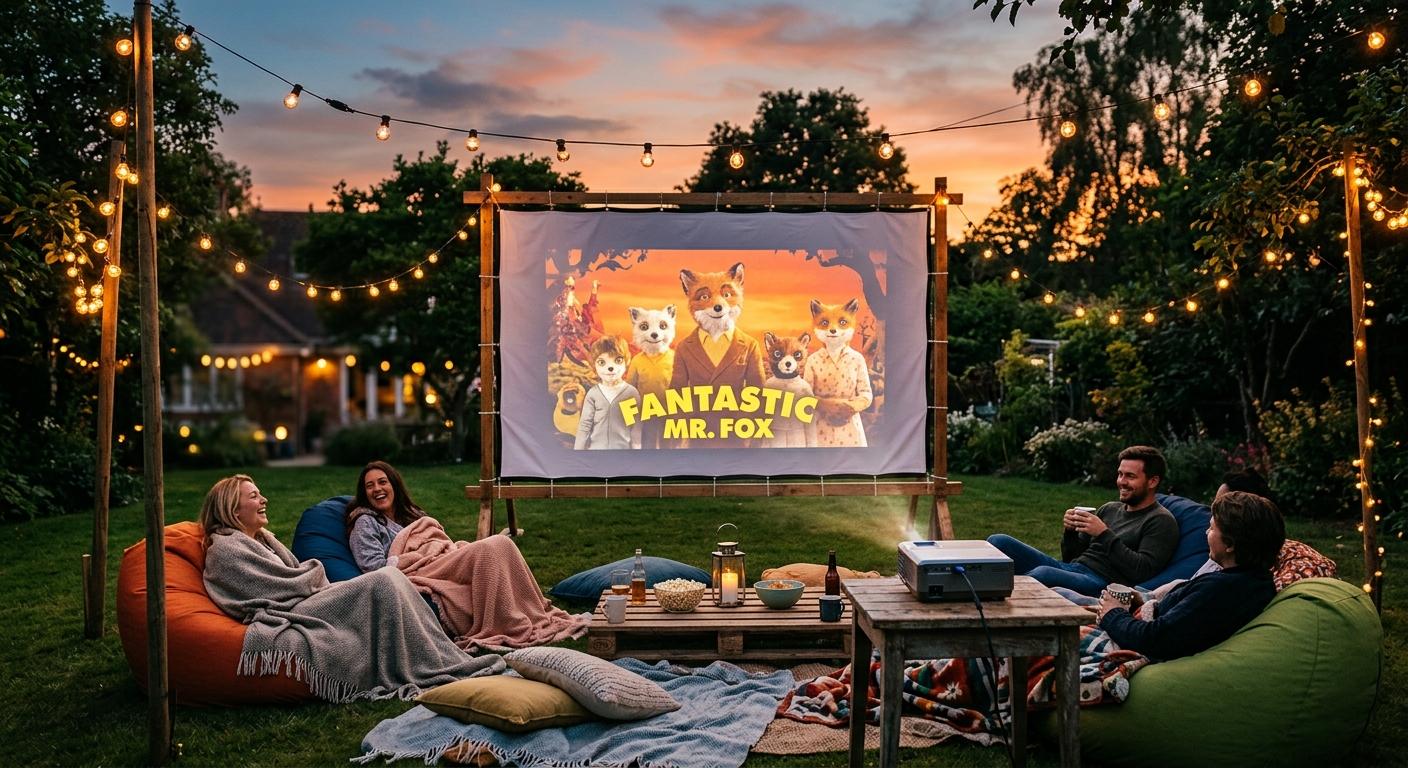
4. Outdoor Movie Screen Setup — $400
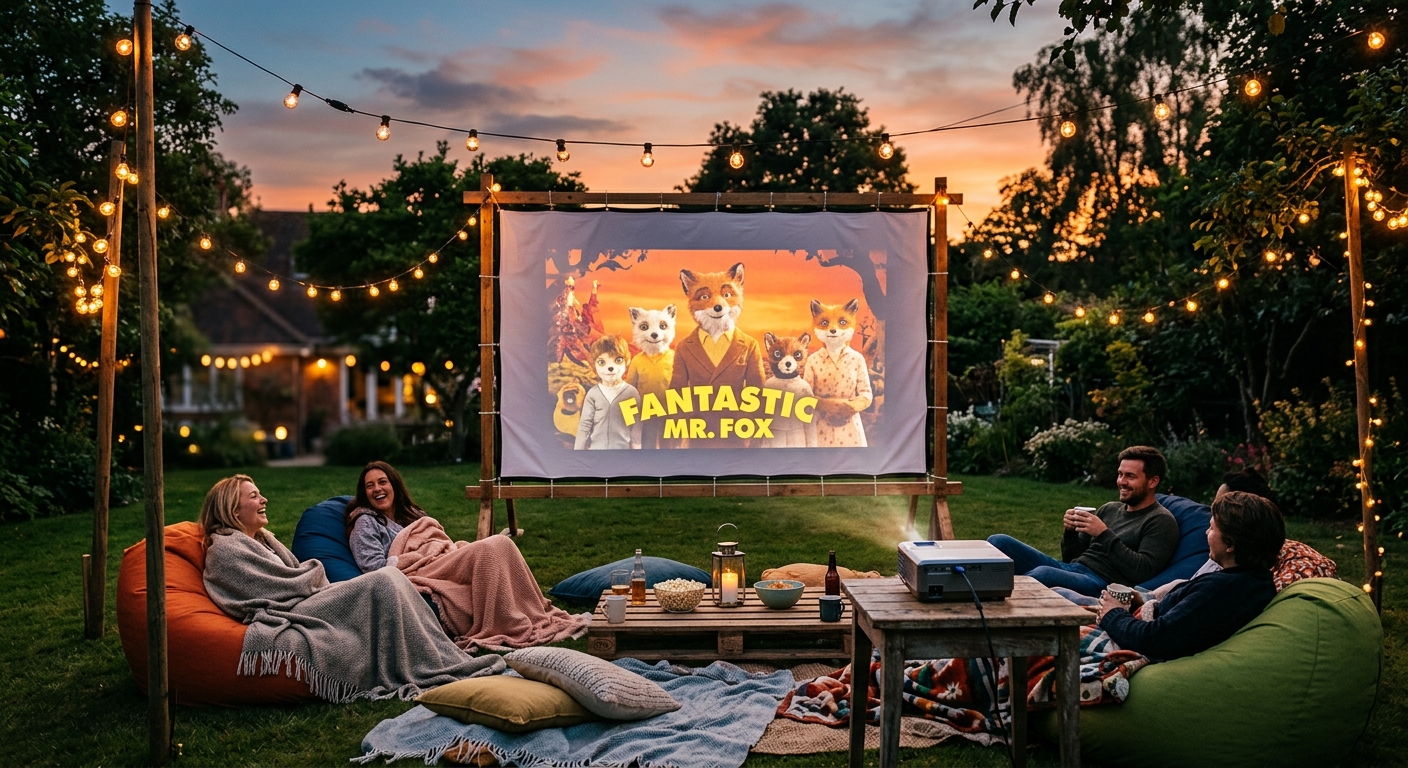
I resisted this one for years because I associated outdoor movie screens with those inflatable monstrosities that take 20 minutes to inflate and look like a bouncy house had a midlife crisis. Then a buddy in Senoia set up a proper fixed screen in his backyard, and I was projecting a movie in mine within two weeks.
The screen: a piece of blackout fabric stretched over a PVC pipe frame. That's it. Buy a 120-inch piece of Carl's FlexiWhite material ($80 on Amazon — purpose-made for projector screens, matte white, wrinkle-resistant). Build a frame from 1-inch Schedule 40 PVC and fittings ($35). The frame breaks down in about 90 seconds, so you're not staring at a movie screen on your Tuesday afternoon. Mount it on two 4x4 posts sunk into concrete (reuse the technique from the string lights if you want a dual-purpose setup), or just lean it against the fence.
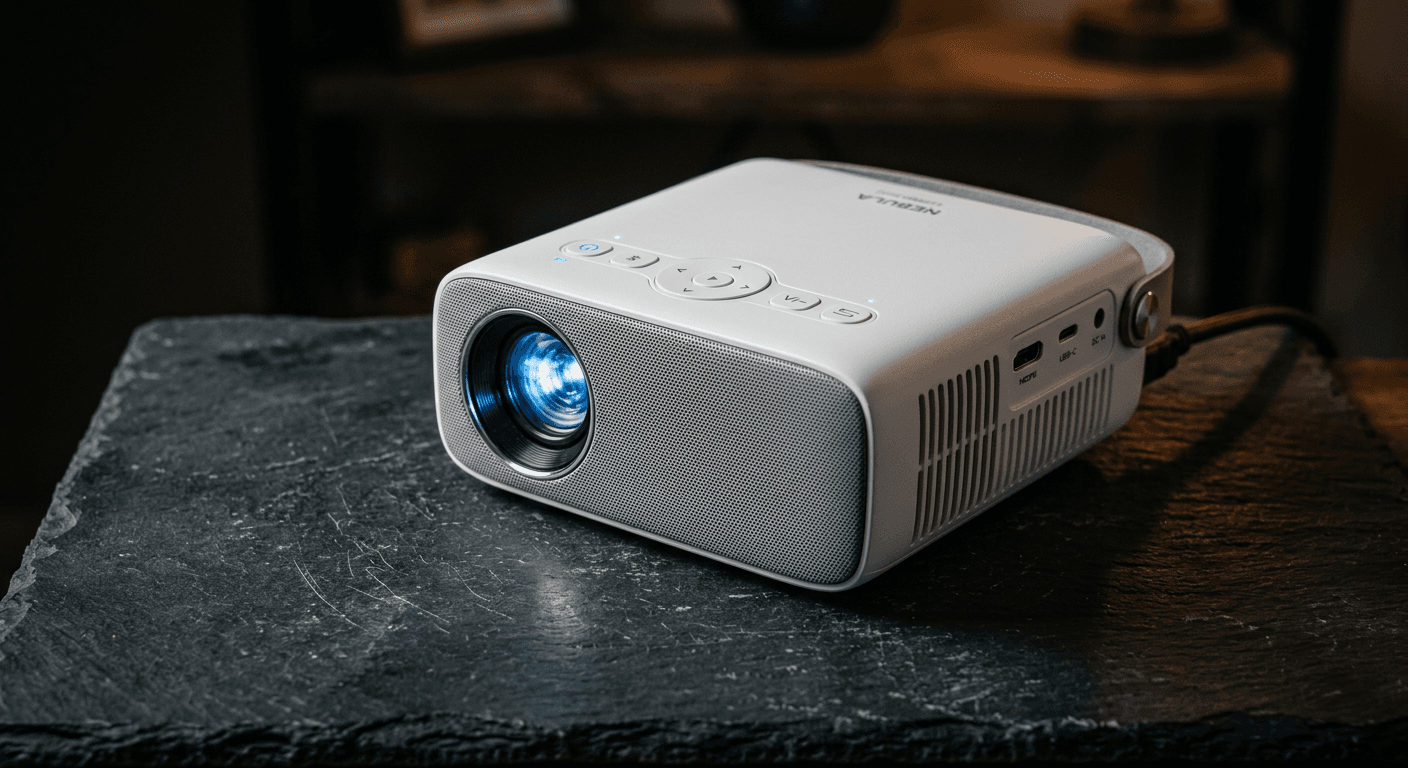
The projector: the XGIMI Halo+ is the sweet spot at around $600, but if you're trying to keep this under $400, the Yaber V7 does 1080p native for $230 and looks perfectly fine from 12 feet away. Pair it with a decent Bluetooth speaker — the JBL Charge 5 ($150, or find it refurbished on Amazon for $100) throws enough sound for a 20-person backyard screening without waking the neighbors in the next subdivision.
Build the screen frame and fabric for $115, grab the Yaber projector for $230, and use a speaker you already own. That's $345. Add a bag of microwave popcorn and some blankets, and you've got a Friday night tradition that beats any streaming service interface by a mile. Georgia evenings in May and June — 75 degrees, low humidity, fireflies showing up around the second act — this is what living here is supposed to feel like.
5. Pergola Shade Sail Installation — $350
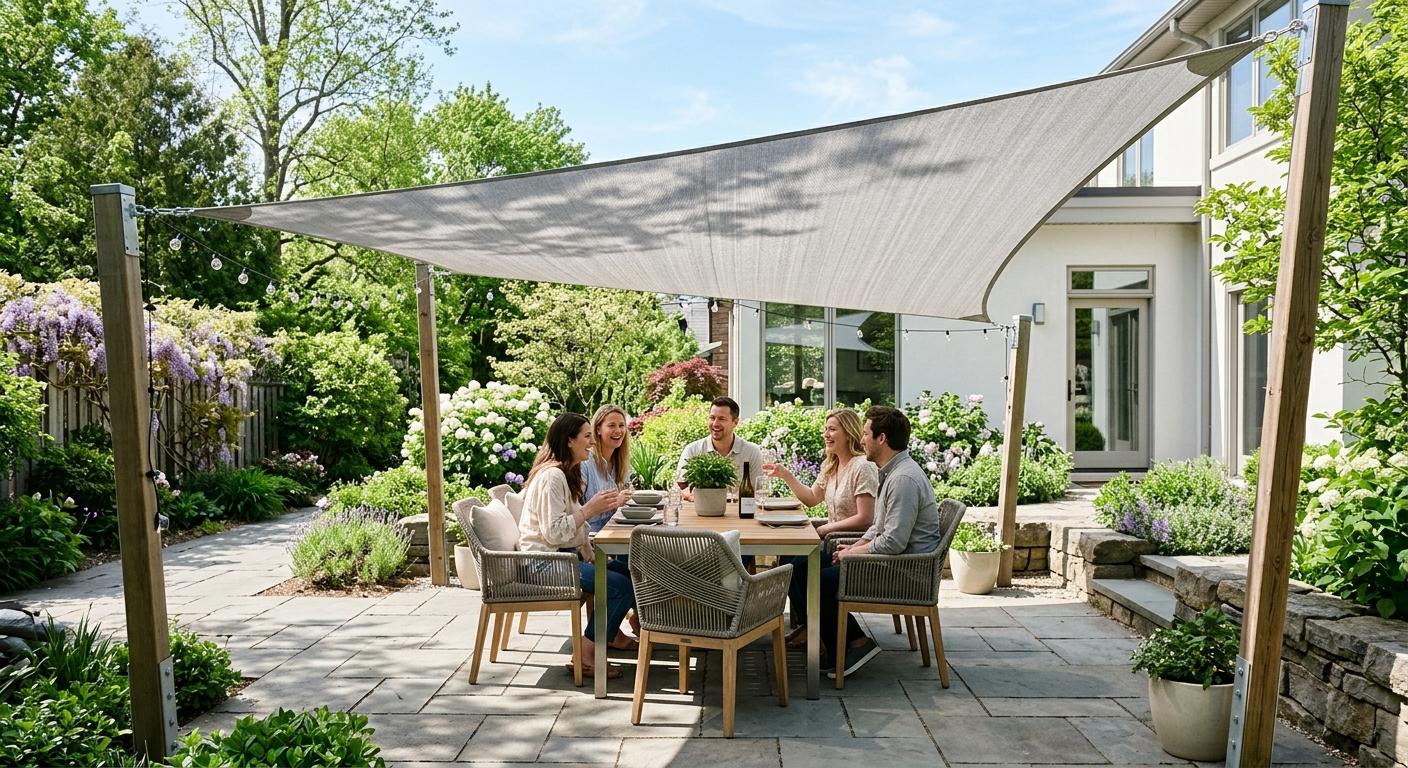
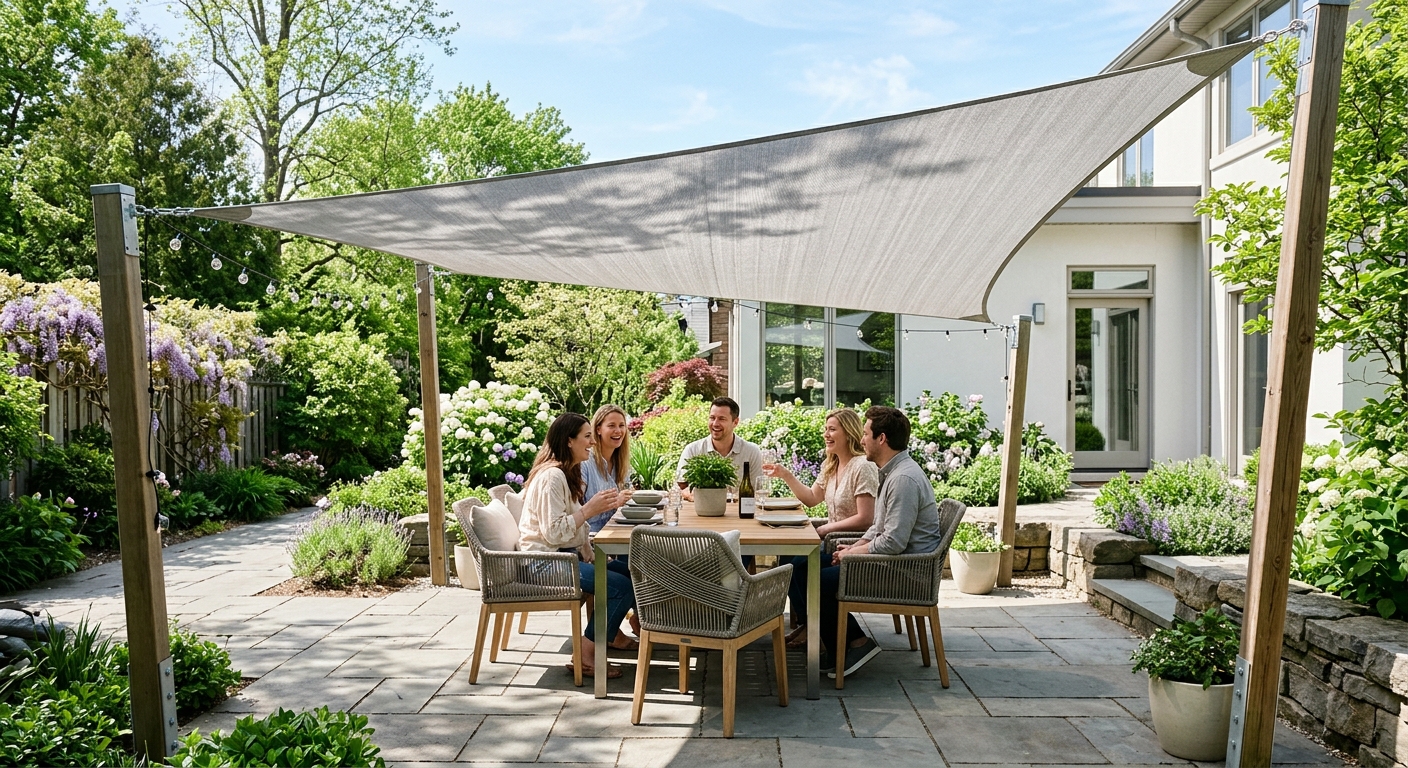
If you have a deck or patio that gets full afternoon sun — and in Georgia, that means it's a solar oven from May through September — a shade sail is the fastest, most cost-effective way to make that space usable again. Not a flimsy triangular thing from a garden catalog. A proper rectangular shade sail, tensioned correctly between posts or mounting points, that actually blocks UV and looks like it was designed to be there.
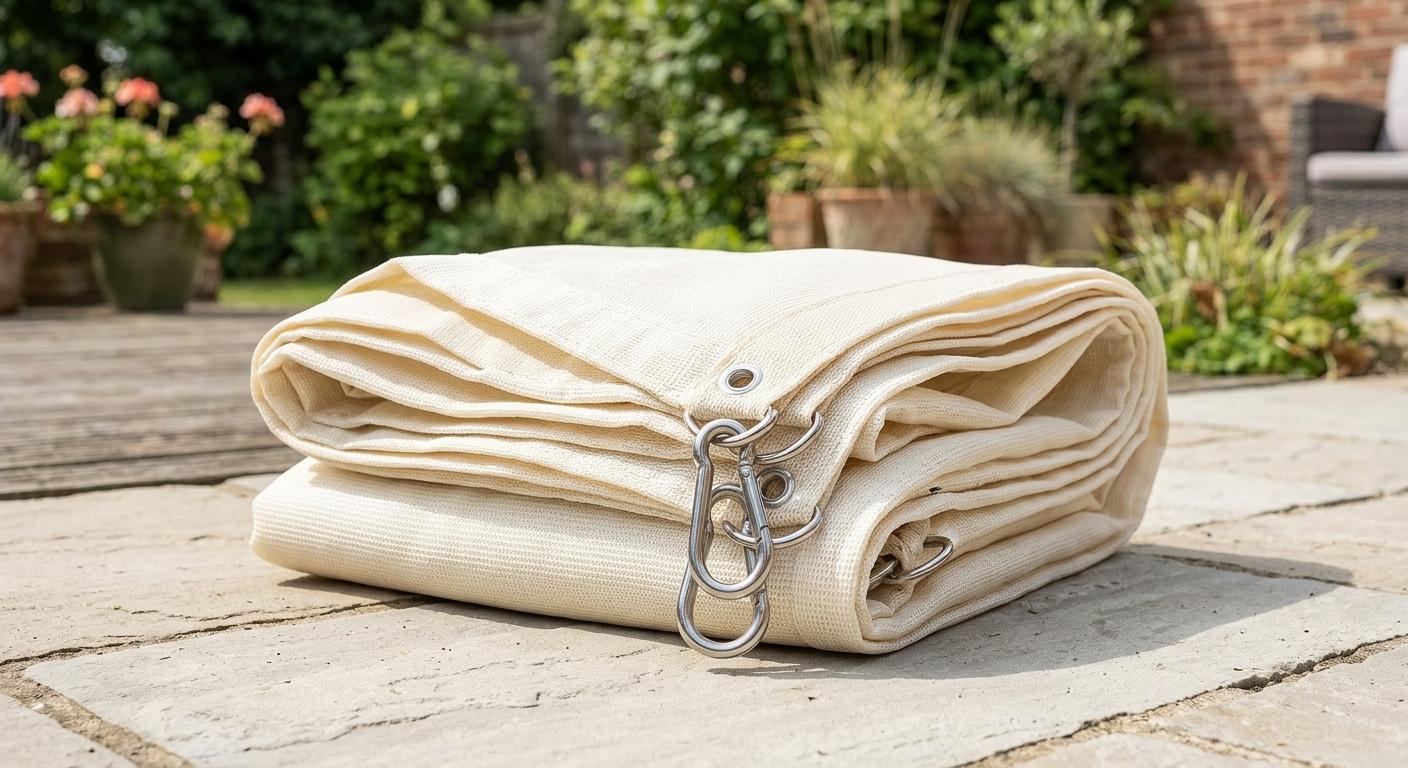
I use the Coolaroo Commercial Grade sails — they're knitted HDPE fabric, block 90%+ UV, and allow air to pass through so they don't act like a wind sail in a thunderstorm. A 12x16-foot rectangle runs about $120 on Amazon. For mounting, you need heavy-duty stainless steel hardware: turnbuckles, D-rings, snap hooks, and wall mounting plates. A full hardware kit is $60-80. If you're mounting to existing posts or your house fascia, that's all you need. If you need to set new posts, add two 6x6 treated timbers ($50) and concrete ($15).
The key to a shade sail that looks professional is tension. Every corner needs a turnbuckle, and you crank them until the fabric is taut with zero sag. Mount one end higher than the other — a 12-18 inch slope allows rainwater to run off instead of pooling in the center. This angled profile also looks more intentional than a flat installation. I've seen shade sails at homes in Roswell and Milton that look like they were spec'd by an architect. They weren't. They were installed by a homeowner with a ladder, a wrench, and a YouTube video.
Final tip: match your sail color to your house trim or your outdoor furniture. White, sand, and charcoal are the three colors that never look wrong. That tomato red sail your neighbor has? That's a different article. One about mistakes.
The Math
String lights ($150) + gravel patio ($500) + herb wall ($200) + movie screen ($400) + shade sail ($350) = $1,600. All five projects. That's less than most people spend on a single quote from a landscape contractor just to hear what a flagstone patio would cost. And every single one of these creates a reason to walk outside — which is the only metric that actually matters when you're deciding what to do with your yard.
Pick one. Do it this Saturday. Your backyard has been waiting since October.