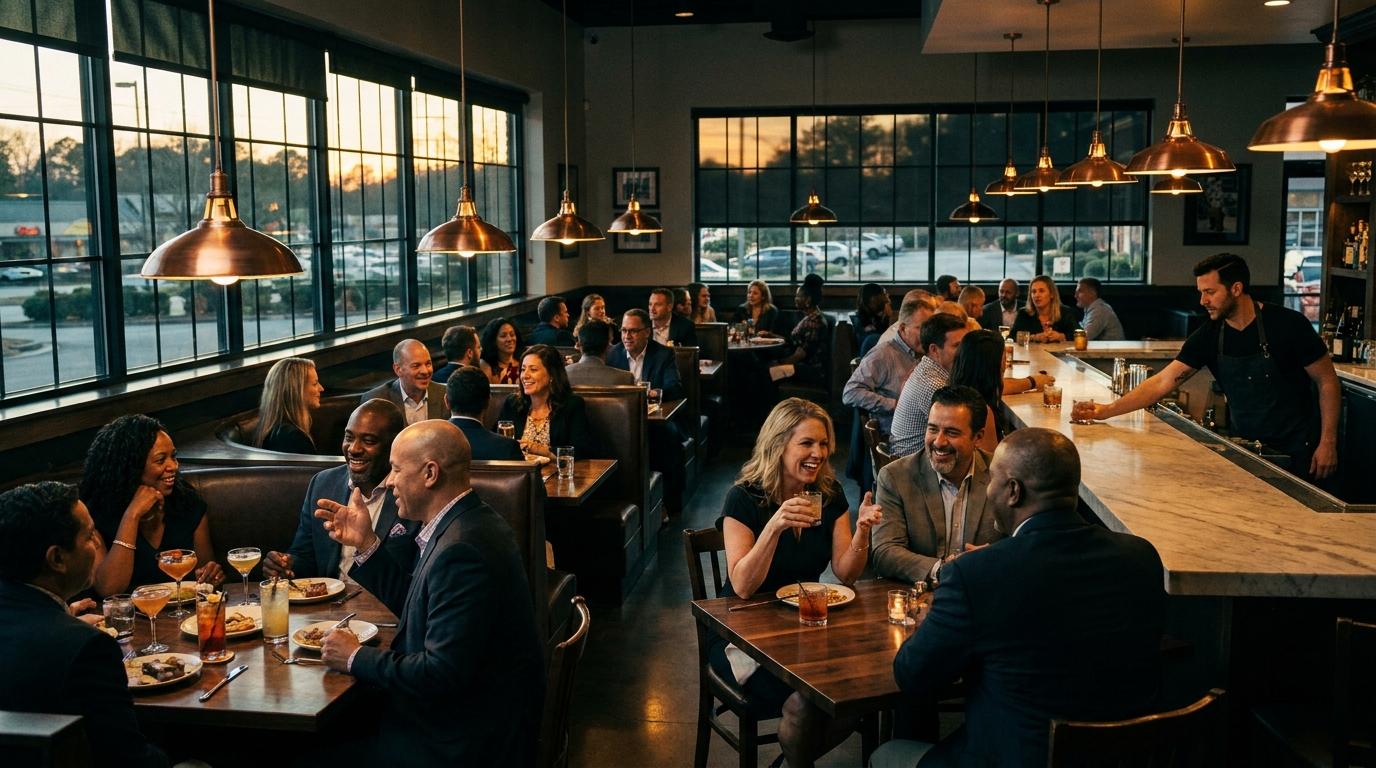
Reunion Kitchen & Bar opened in East Cobb in April 2024. About 14 months later, they're packing up and heading to Sandy Springs.
Not because business was bad. Because the rent got uncomfortable enough that staying didn't make sense.
That's the part of this story worth sitting with.
What Actually Happened Here
Opened in spring 2024. Forced to relocate by summer 2026. That's a short runway for a restaurant that by all accounts wasn't struggling to fill seats. It was struggling to absorb a landlord's idea of what East Cobb commercial space is worth right now.
Rent hikes killing neighborhood restaurants is not a new story in Atlanta. It's happened along the BeltLine. It's happened in Decatur. It's happened in Inman Park and Virginia-Highland and a dozen other corridors where a concept puts in the work, builds a following, and then watches the lease renewal come in looking like a different document entirely.
What's different this time is the location. East Cobb is not a trendy emerging neighborhood. It's not a corridor with a frothy new-development story attached. It's an established, mature suburban market, and the rents are apparently still moving fast enough to push out a 14-month-old restaurant that already had a customer base.

That tells you something about the broader pressure on retail and restaurant space across Metro Atlanta right now. It's not localized to the hot corridors anymore.
Sandy Springs Gets a Good Restaurant. East Cobb Loses One.
Reunion isn't closing. They're landing in Sandy Springs, which is a reasonable outcome for the ownership group: Sandy Springs has solid daytime and evening traffic, a professional demographic that spends on food, and enough density along the key corridors to support a neighborhood-bar concept.
But let's be honest about what this move is. It's not an expansion. It's a relocation under pressure. The restaurant found a workable landing spot, and good for them: a lot of concepts in this situation just close.
For East Cobb regulars, this is a loss. The kind of place that fills the 'Tuesday night with the family' slot in your rotation doesn't get replaced easily. That gap sits empty until the next concept takes the risk, builds the following, and then faces the same math at lease renewal time.

For Sandy Springs, it's a pickup. A proven concept with operational history and an existing customer base that may follow. That's a different risk profile than a brand-new opening.
The Bigger Pattern Worth Watching
Atlanta has been building restaurant culture for 20 years. The city has genuinely good food now: chefs who stayed, concepts that matured, neighborhoods that became dining destinations. That didn't happen by accident. It happened because the rent economics allowed operators to take risks, survive the first two years, and build something with staying power.
When the rent math starts punishing 14-month-old restaurants in established suburban markets, it's worth asking what the next ten years looks like for neighborhood dining culture in this city.
Chains can absorb rent hikes. A 48-location operation has leverage a single-unit owner doesn't. What gets squeezed out first is always the independent neighborhood concept, the Reunion Kitchen, the Paper Plane, the Krog Street counter that the regulars swear by.
That's the thing nobody puts in the press release. The headline is 'Restaurant Moves to Sandy Springs.' The story underneath it is about what happens to a city's dining identity when the independent operators can't make the numbers work in the neighborhoods that built them.
Reunion Kitchen found a way through. A lot of their peers won't.
Follow where they land in Sandy Springs. Places that survive a forced relocation and keep their regulars have something real going for them. That's worth supporting.
Find them when they reopen, order the thing the regulars ordered in East Cobb, and let the bartender know you followed them over.