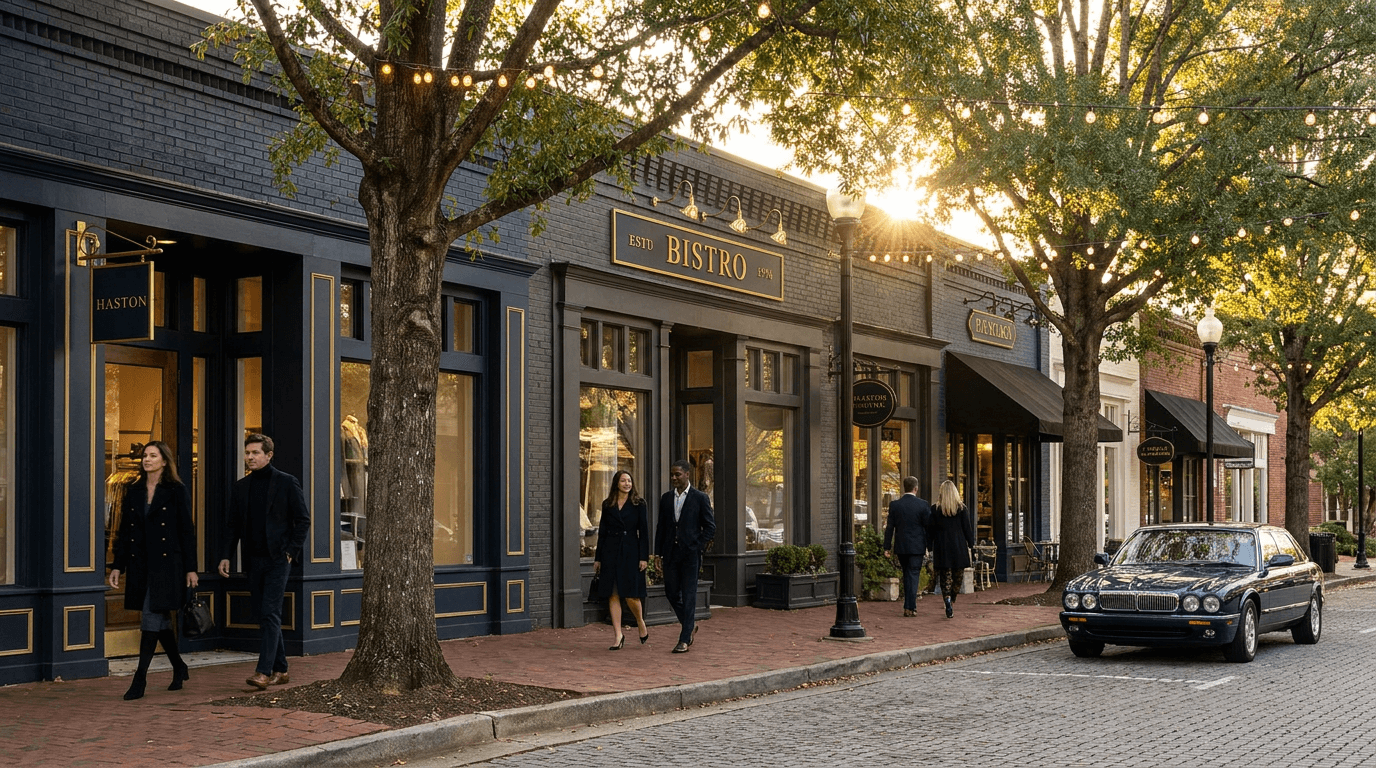
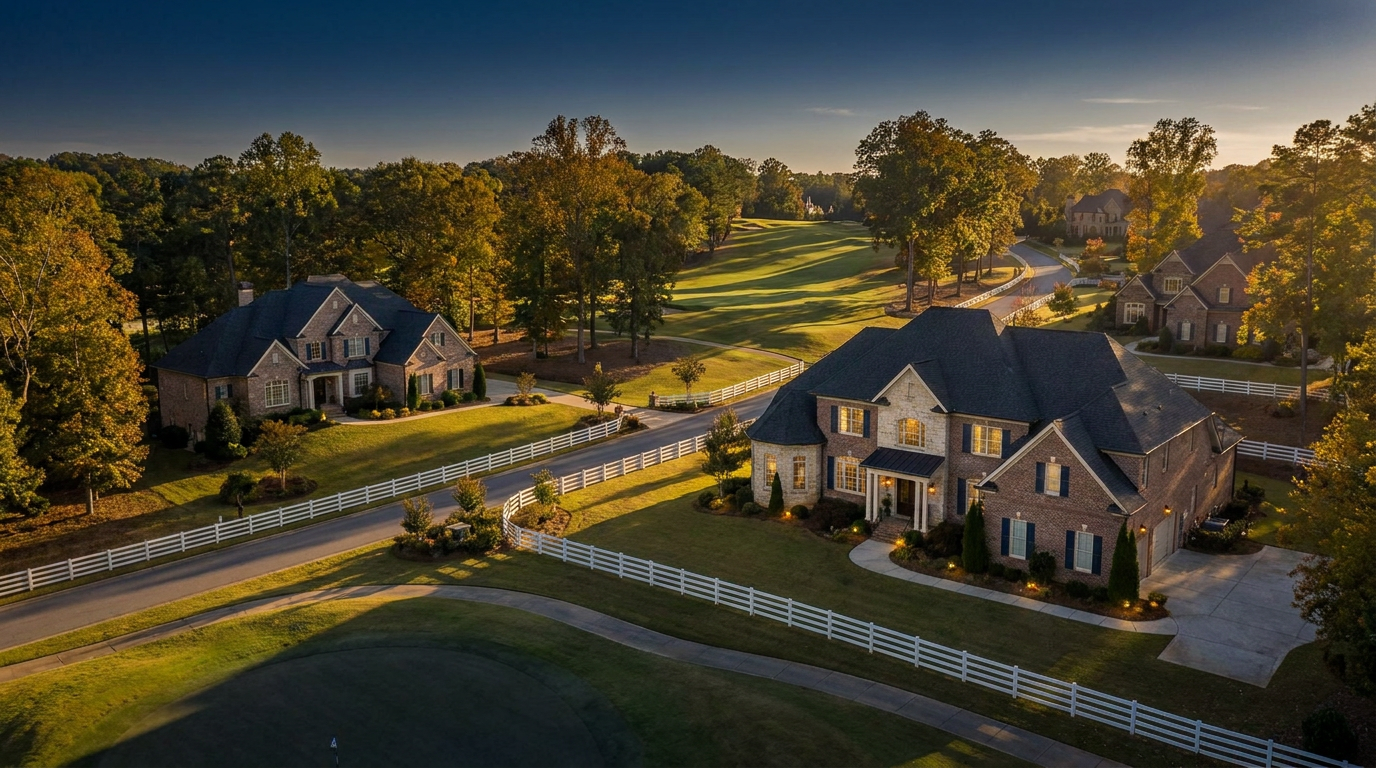
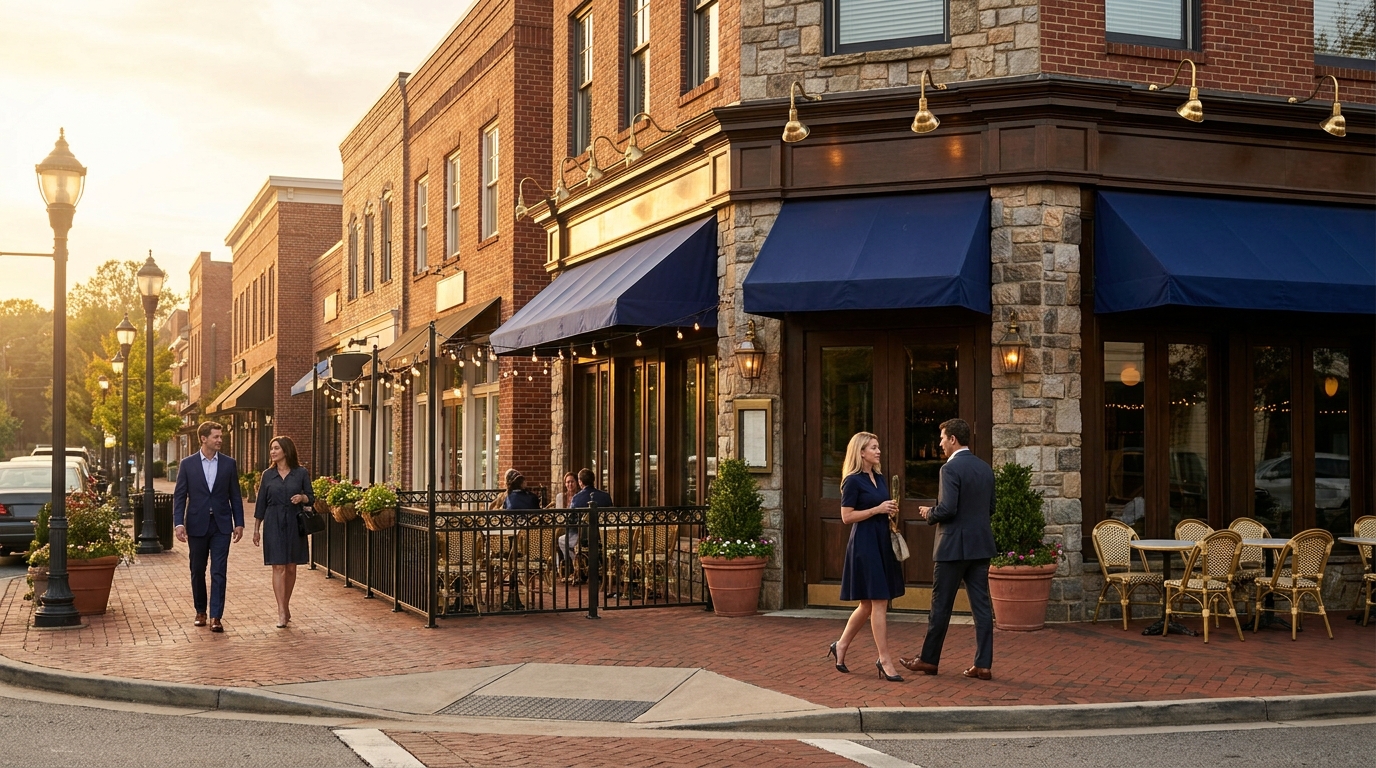
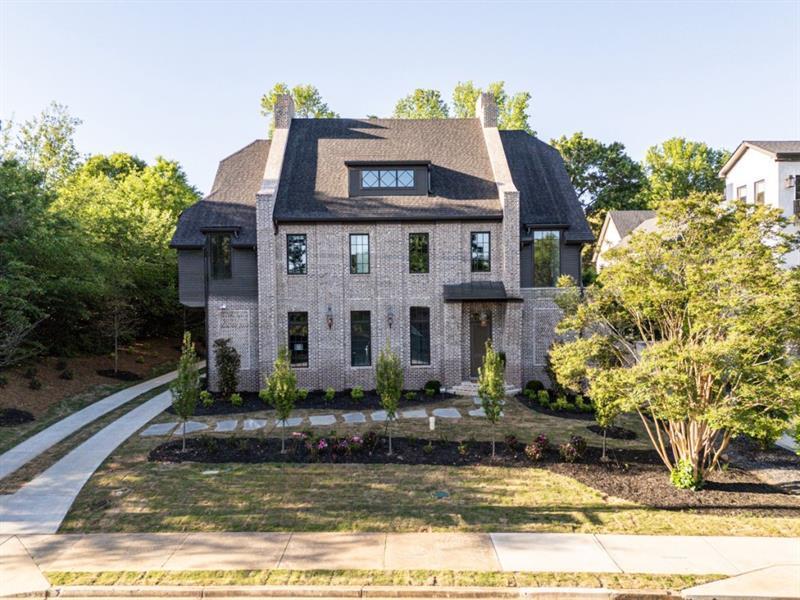
We are living through the great compression. Across Metro Atlanta, the answer to growth has been the same for a generation: build up, build dense, build more. Townhomes stack where ranch houses stood. Backyards shrink to courtyards, and the quarter-acre lot — once the baseline of the American suburb — has become a luxury. Against that tide, Milton made a different bet. It bet on land.
Why Acreage Still Matters
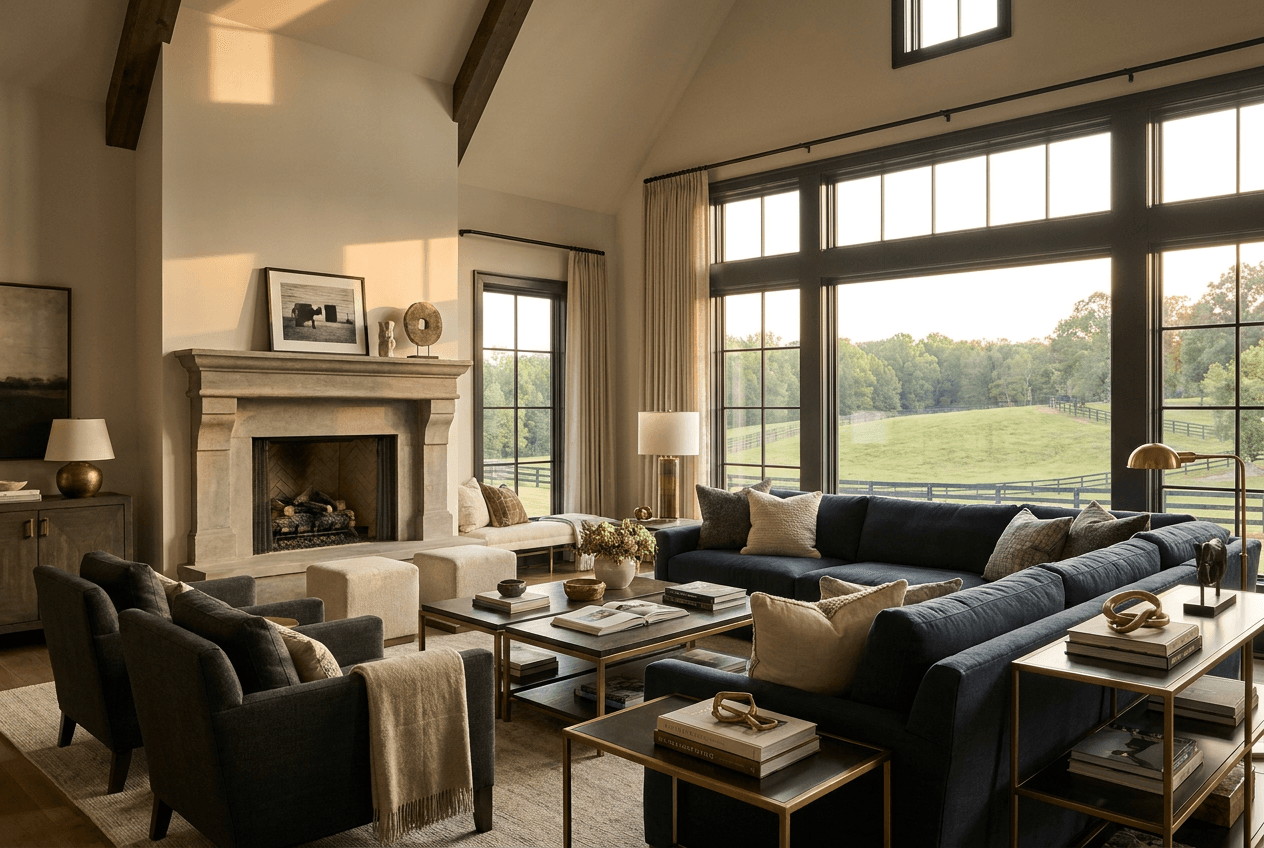
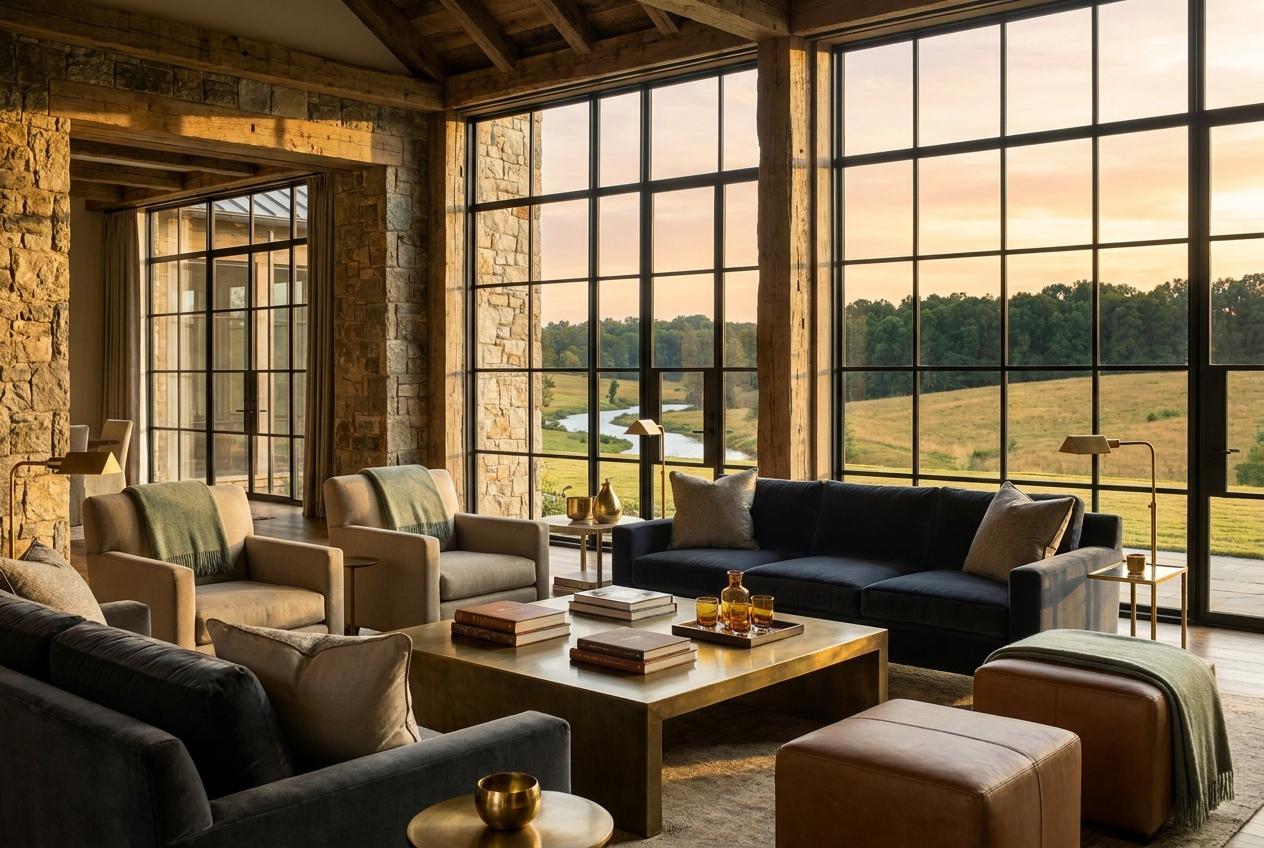
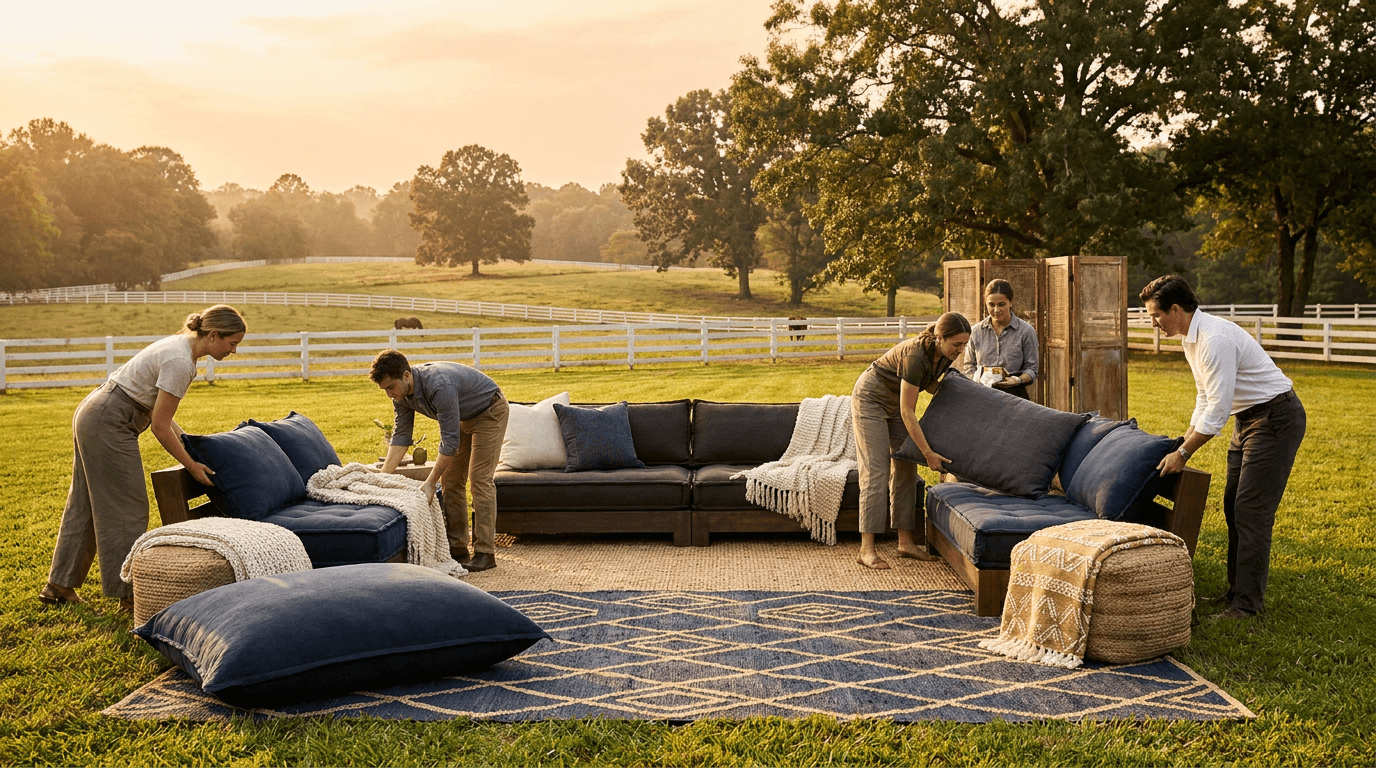
The people who buy land in Milton aren't buying the past. They're buying something the compressed city can no longer offer at any price: distance. Distance from the neighbor's window. Room for a horse to run, a garden to sprawl, a child to disappear into the trees for an afternoon. In an era when our homes have become offices, classrooms, and gyms all at once, the value of simply having room has quietly soared. And land is the one asset a developer cannot manufacture — you can always build another tower, but you cannot build another acre.
The Equestrian Thread
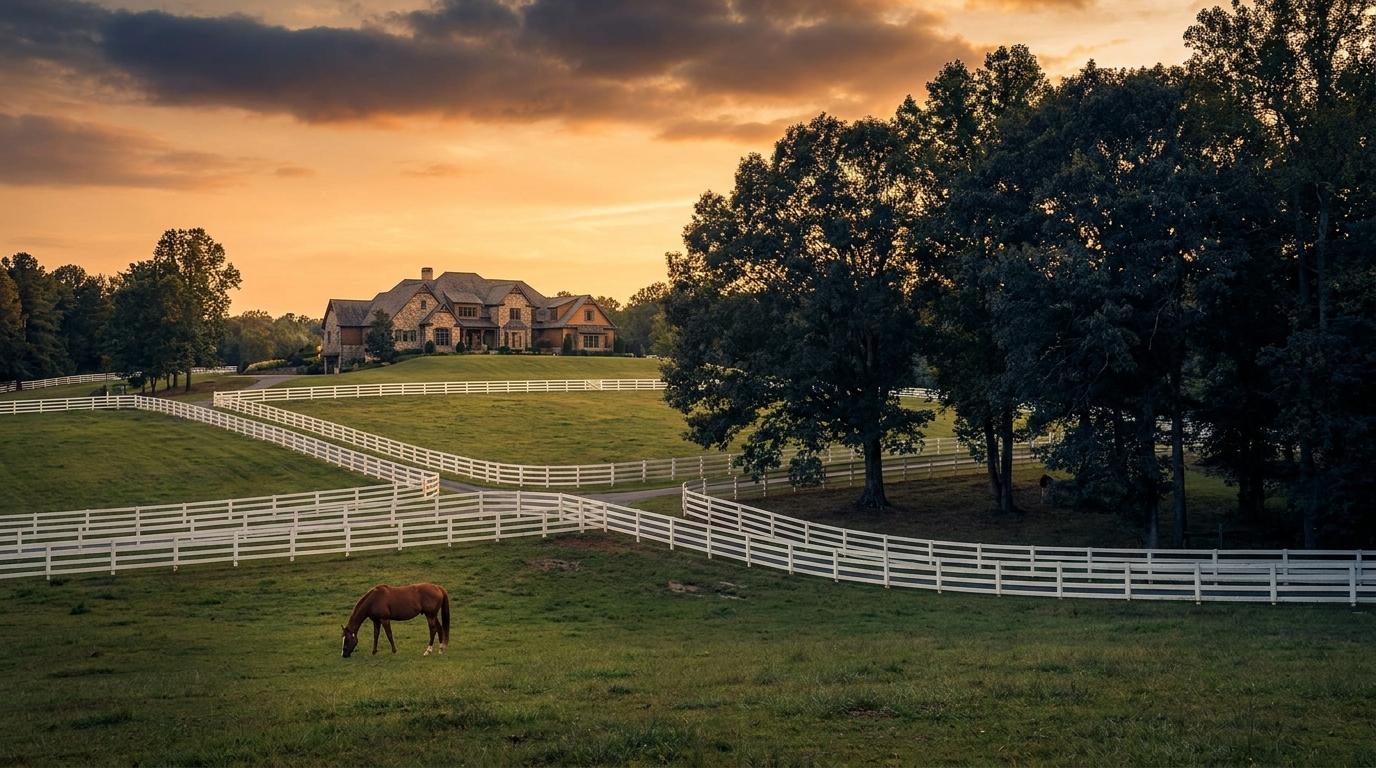
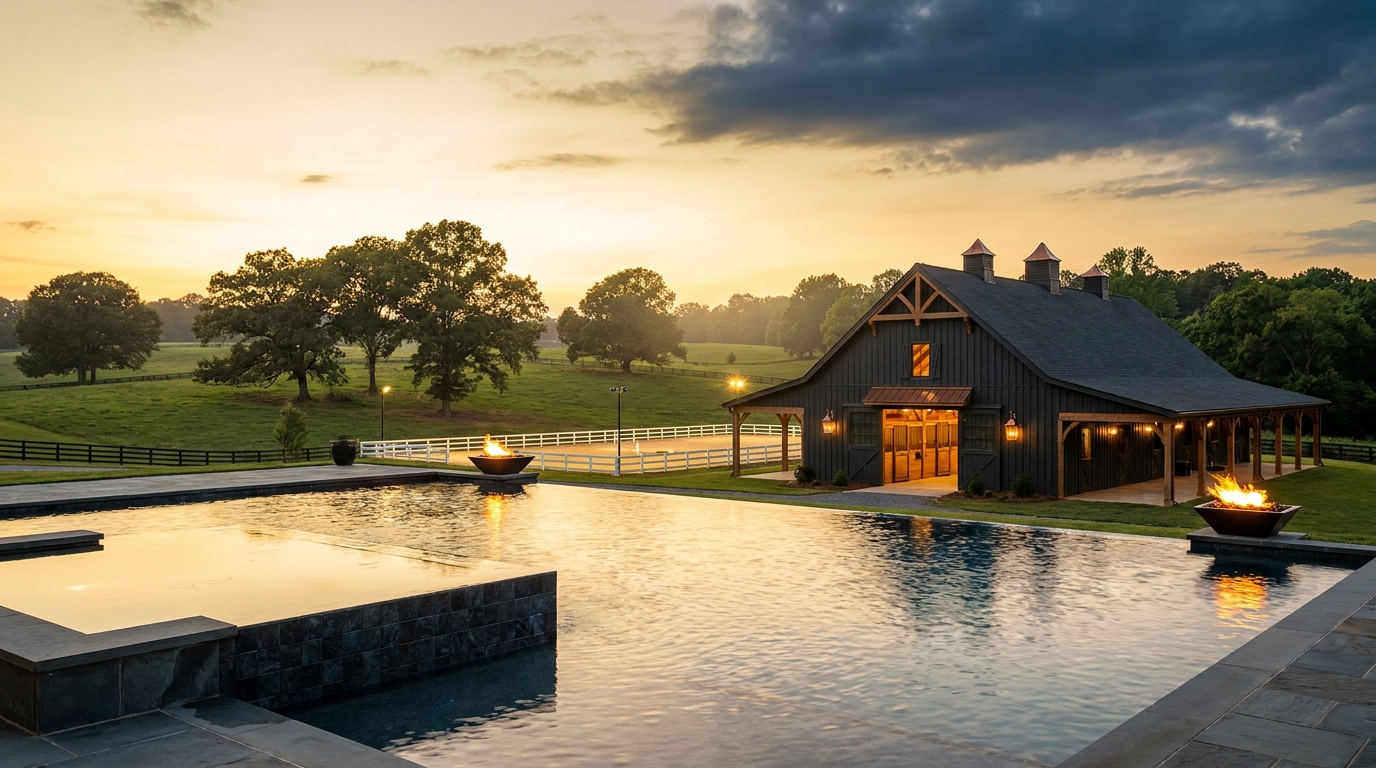
Nowhere is this philosophy more vivid than in Milton's equestrian culture. The barns and arenas along Birmingham Highway aren't amenities bolted onto luxury homes; they're the reason the homes exist where they do. Horse property demands acreage, and acreage demands the kind of zoning discipline Milton has guarded for two decades. The horses, in a sense, are why the country is still here. They are the living argument for the one-acre minimum.
Legacy Over Liquidity
The buyers we meet in Milton tend to think in different units than the rest of the market. They speak less about resale timelines and more about where their grandchildren will spend summers. They are, in the truest sense, buying legacy — a piece of ground that holds a family across decades rather than a unit that turns over in five years. In a region defined by the great compression, the freedom to spread out may be the rarest luxury of all.