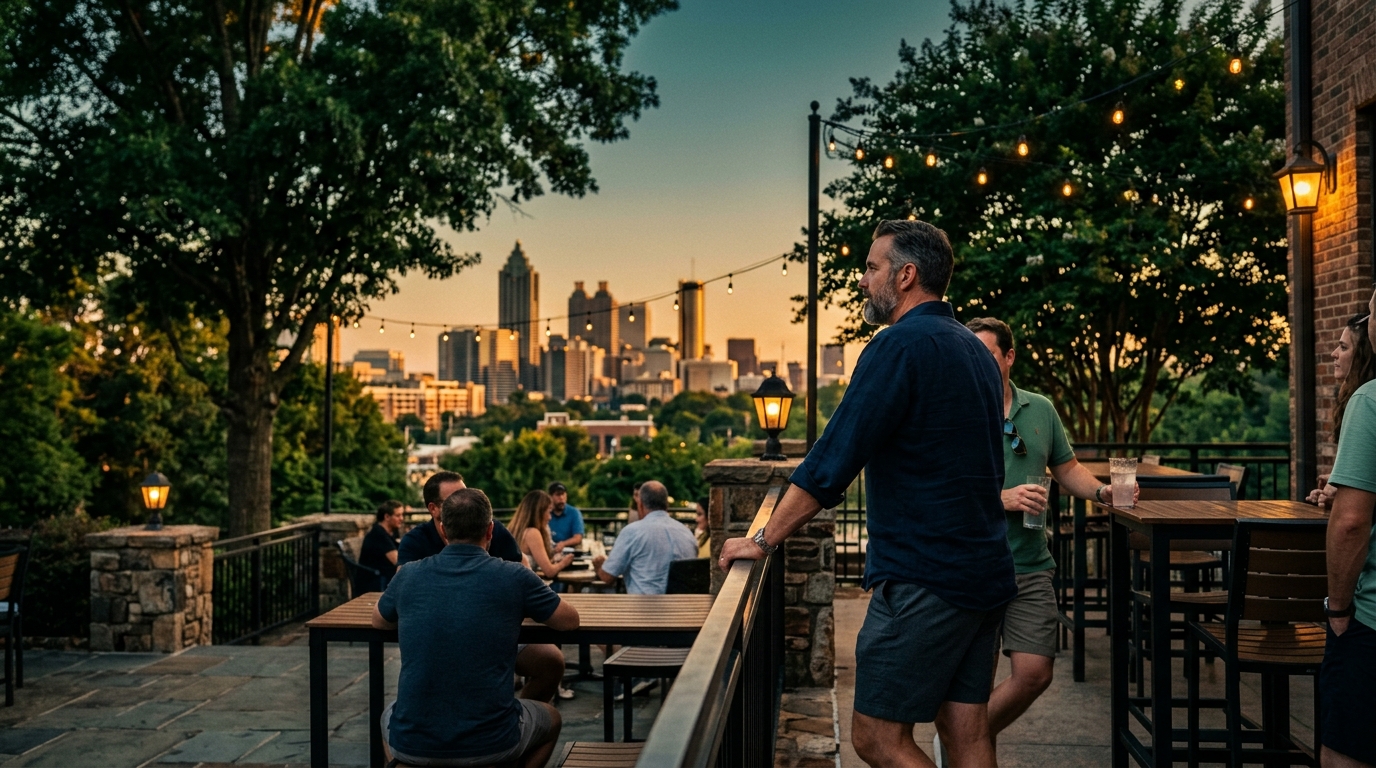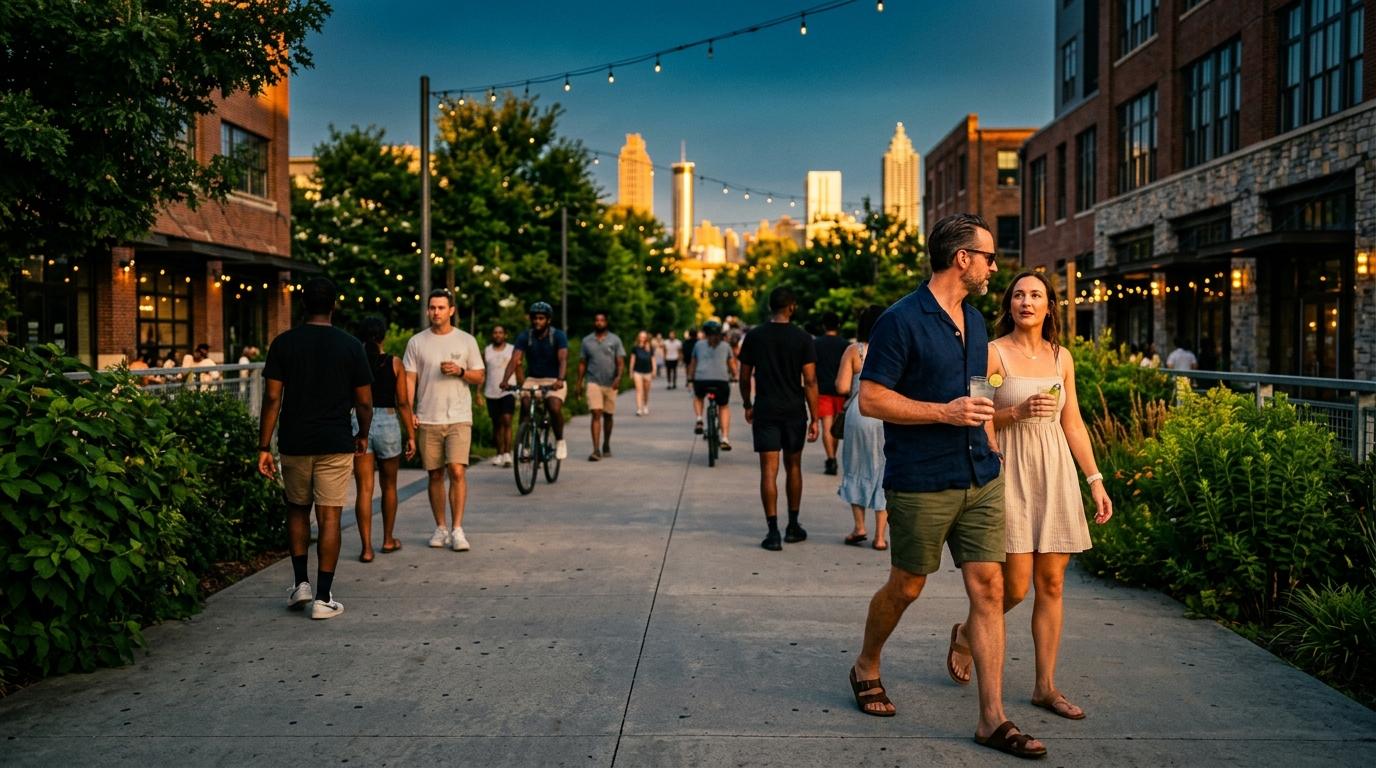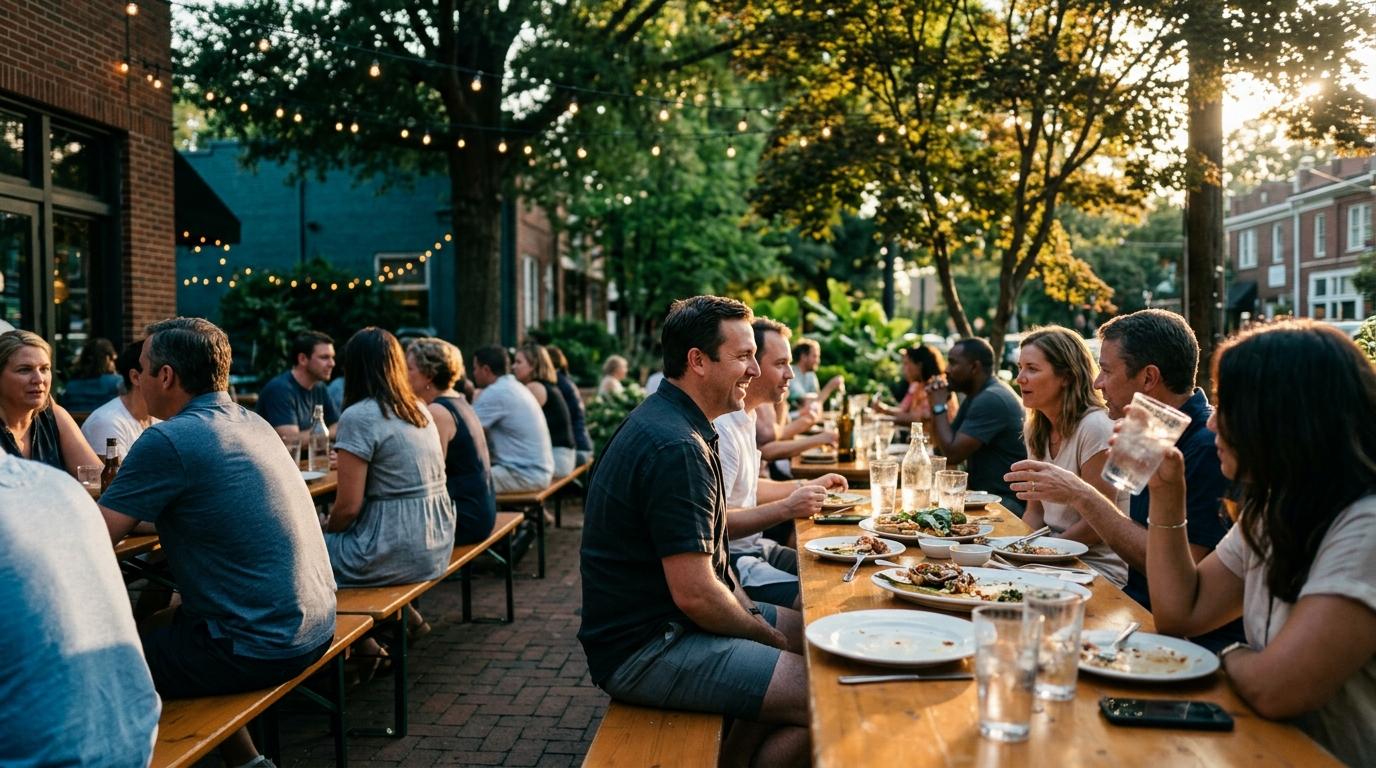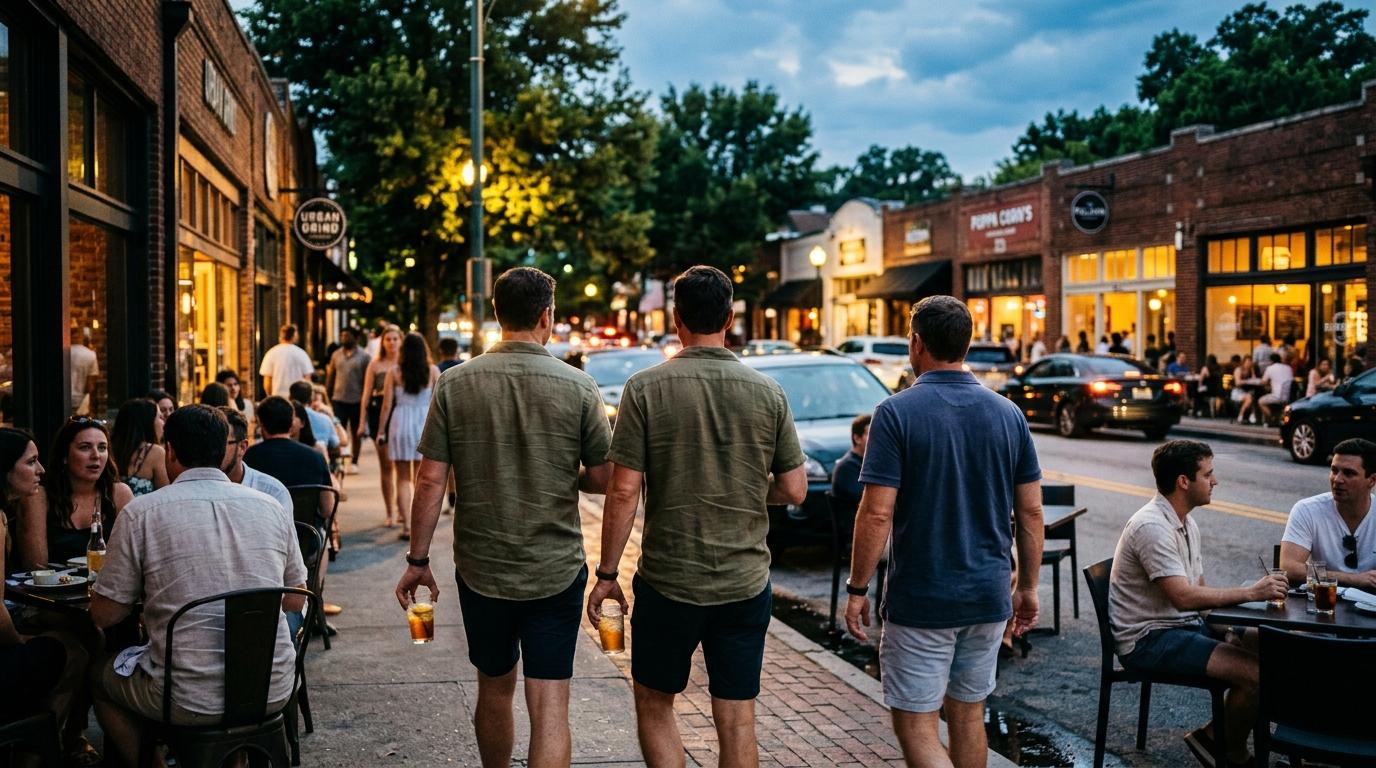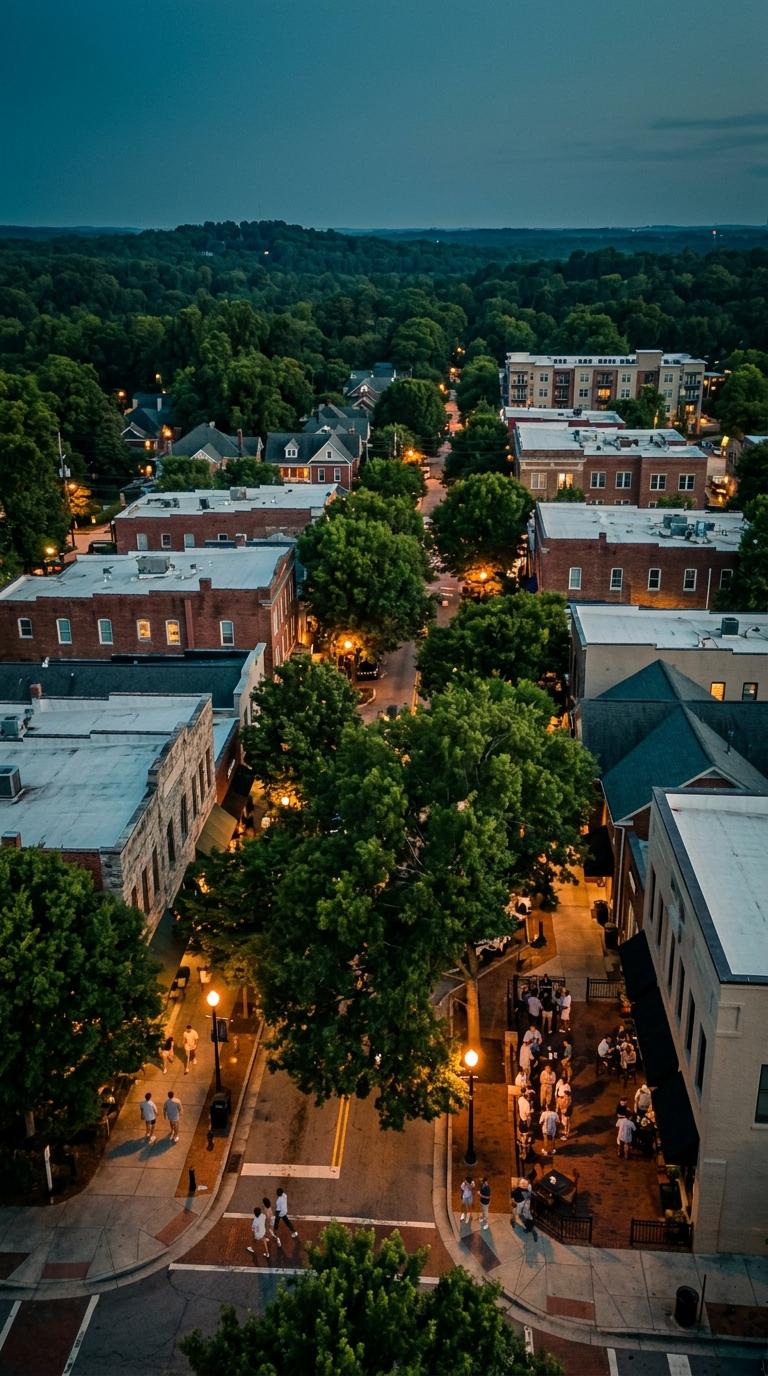
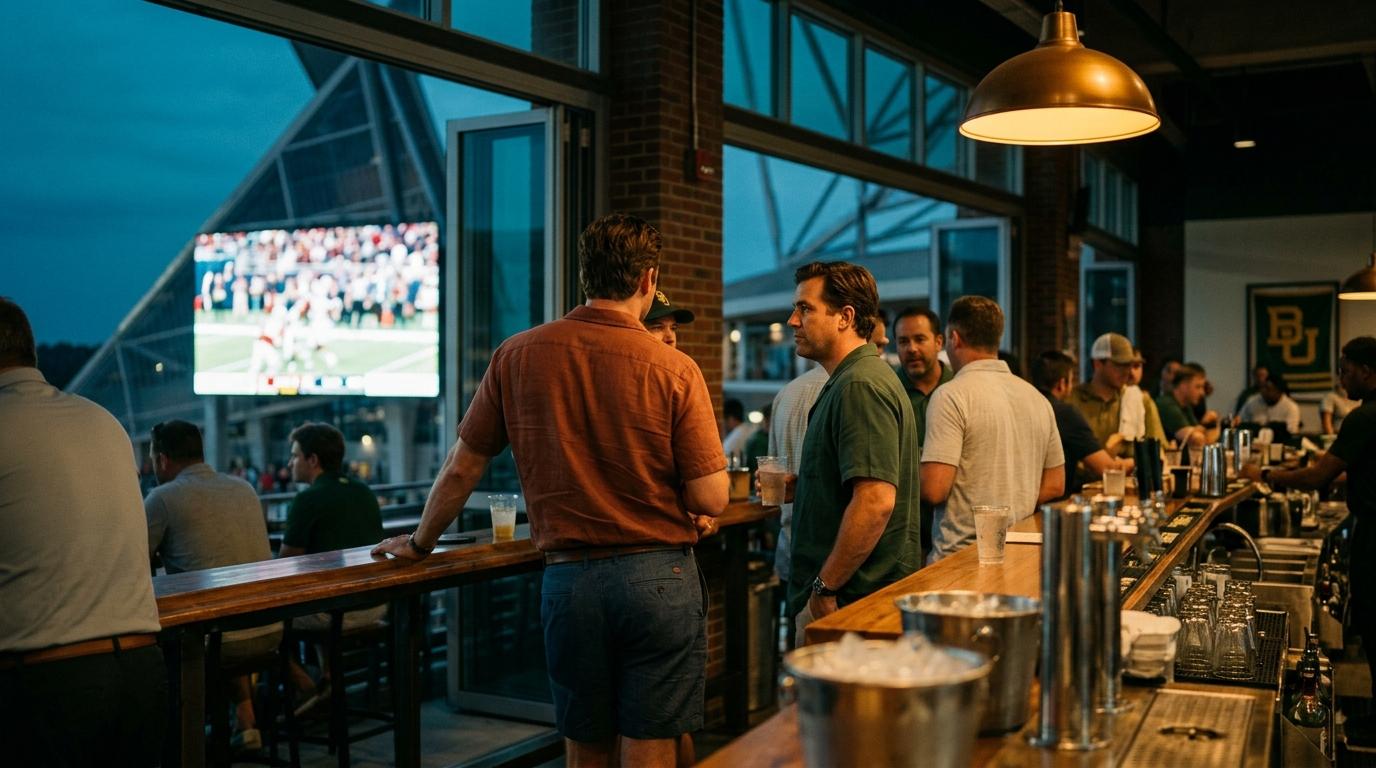

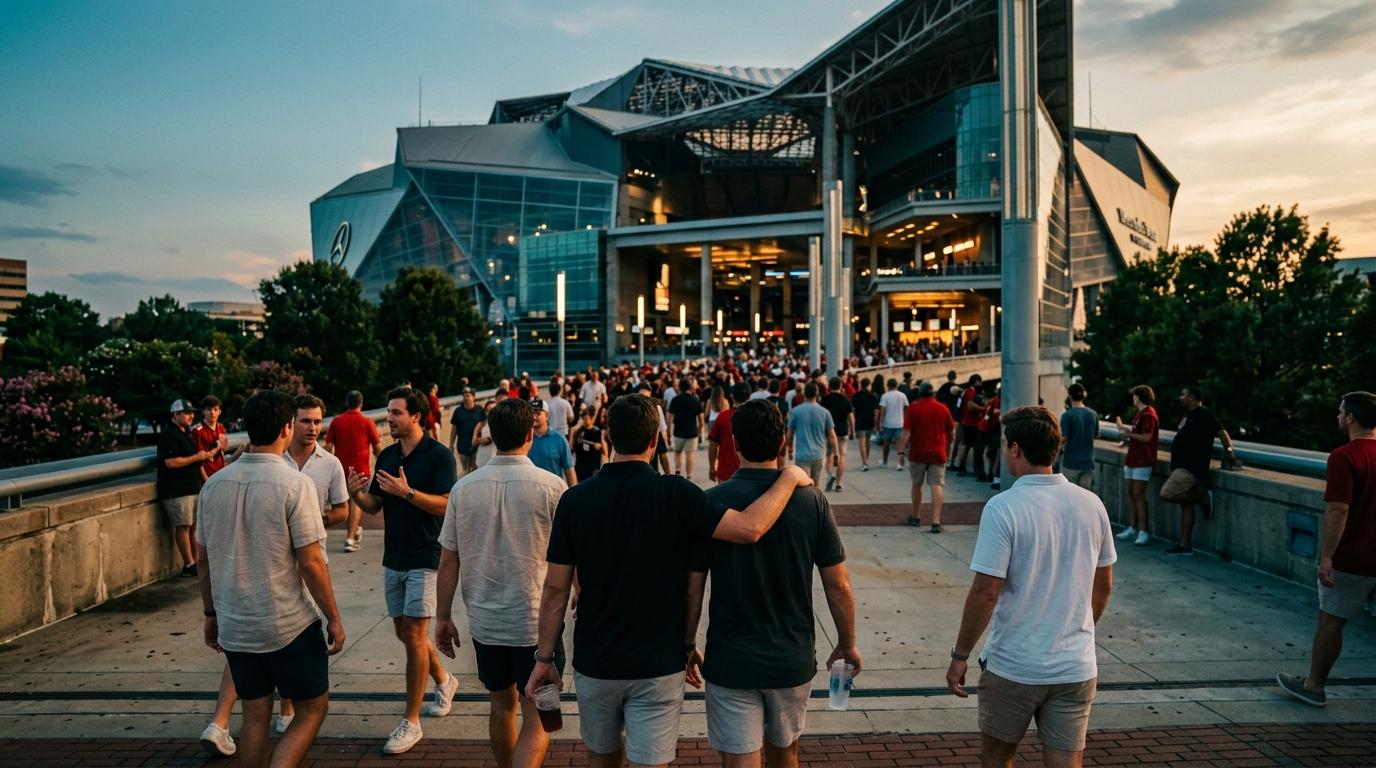

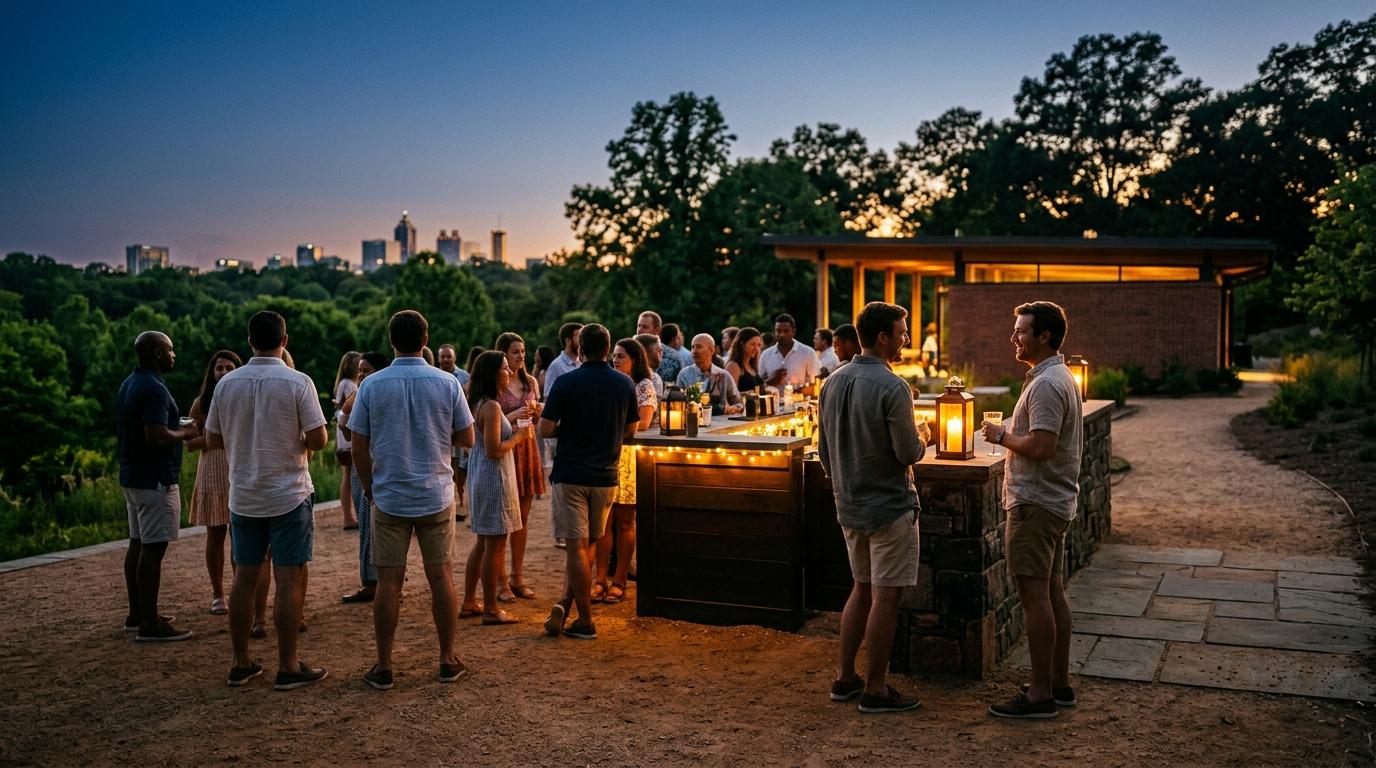
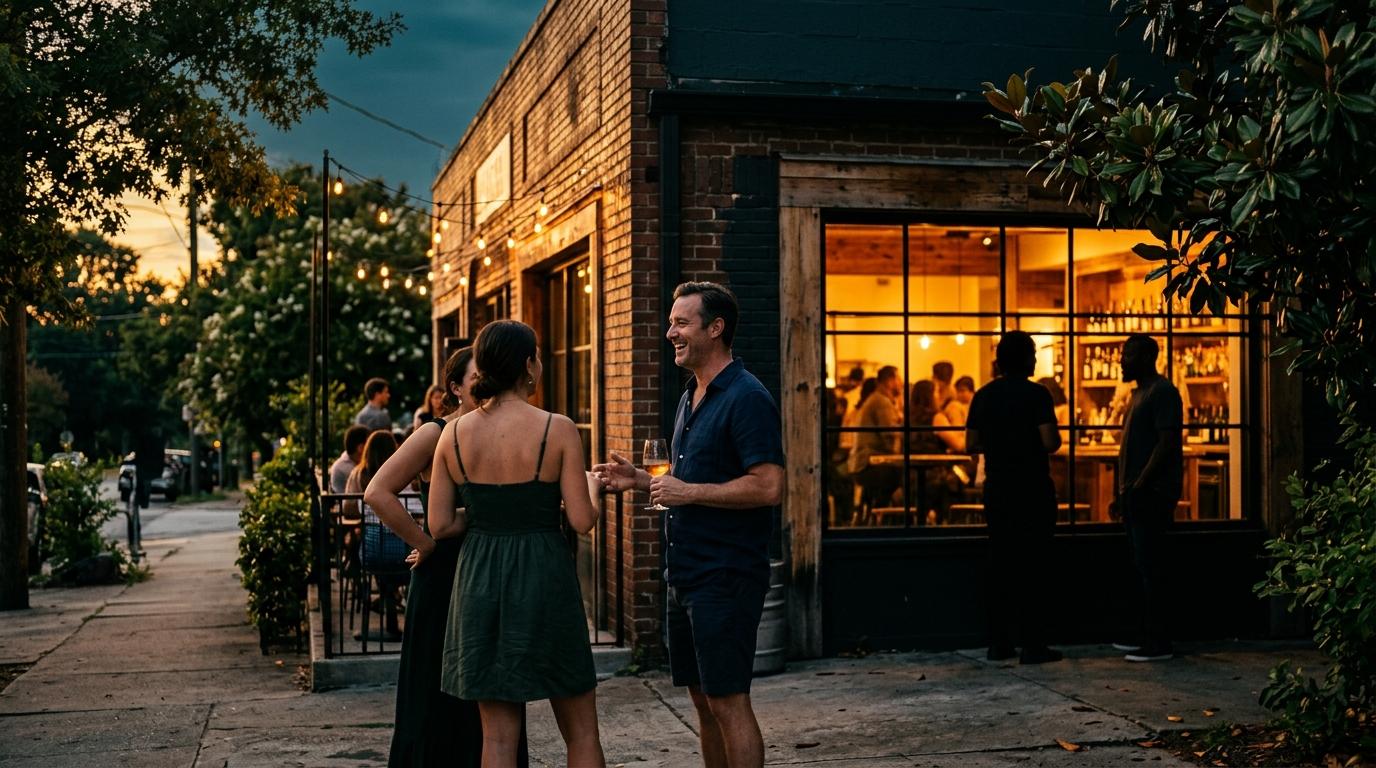
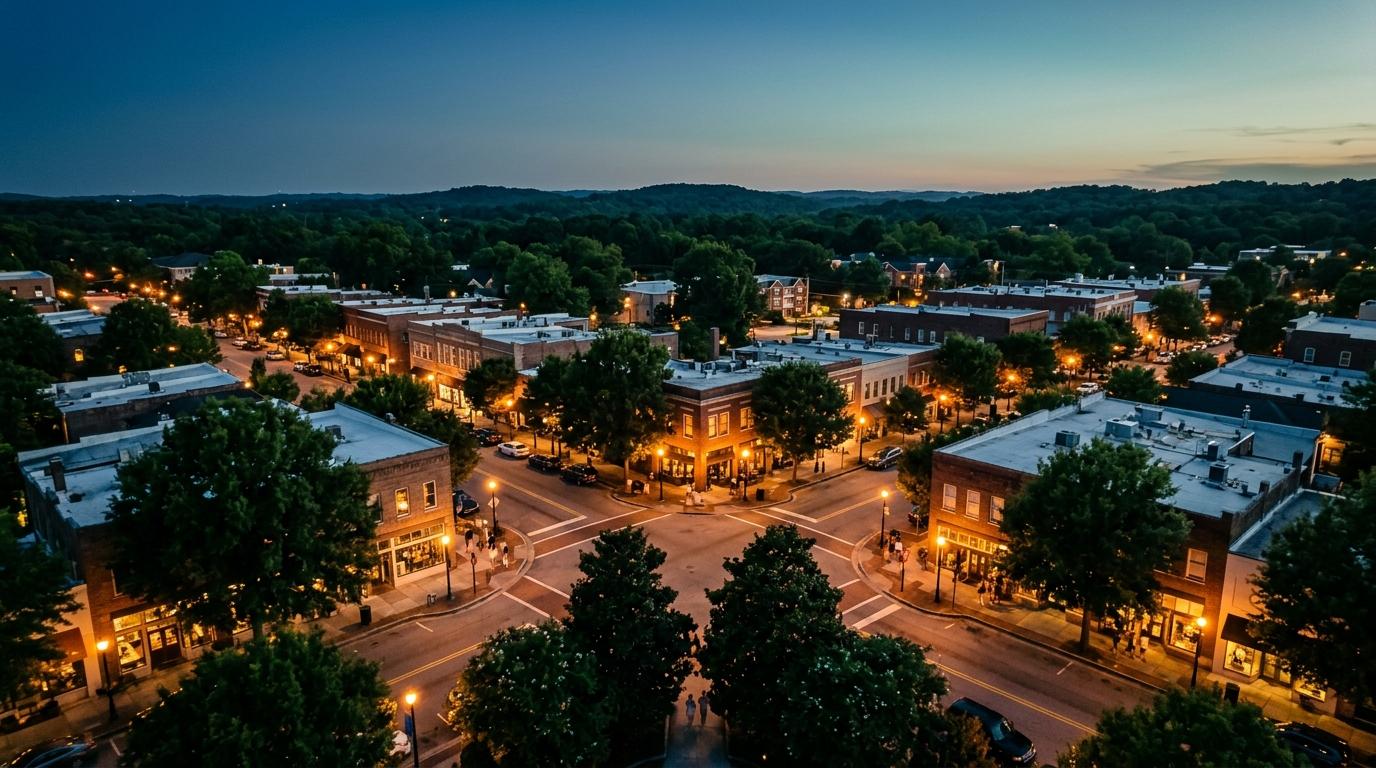
Decatur doesn't announce itself. It doesn't have to. Walk the square on a Tuesday night in September and you'll find the same porch-light energy that's been humming here for decades — just with better restaurants attached to it now.
The Square, Reconsidered
The courthouse still anchors everything, but the blocks around it have filled in hard over the last five years. 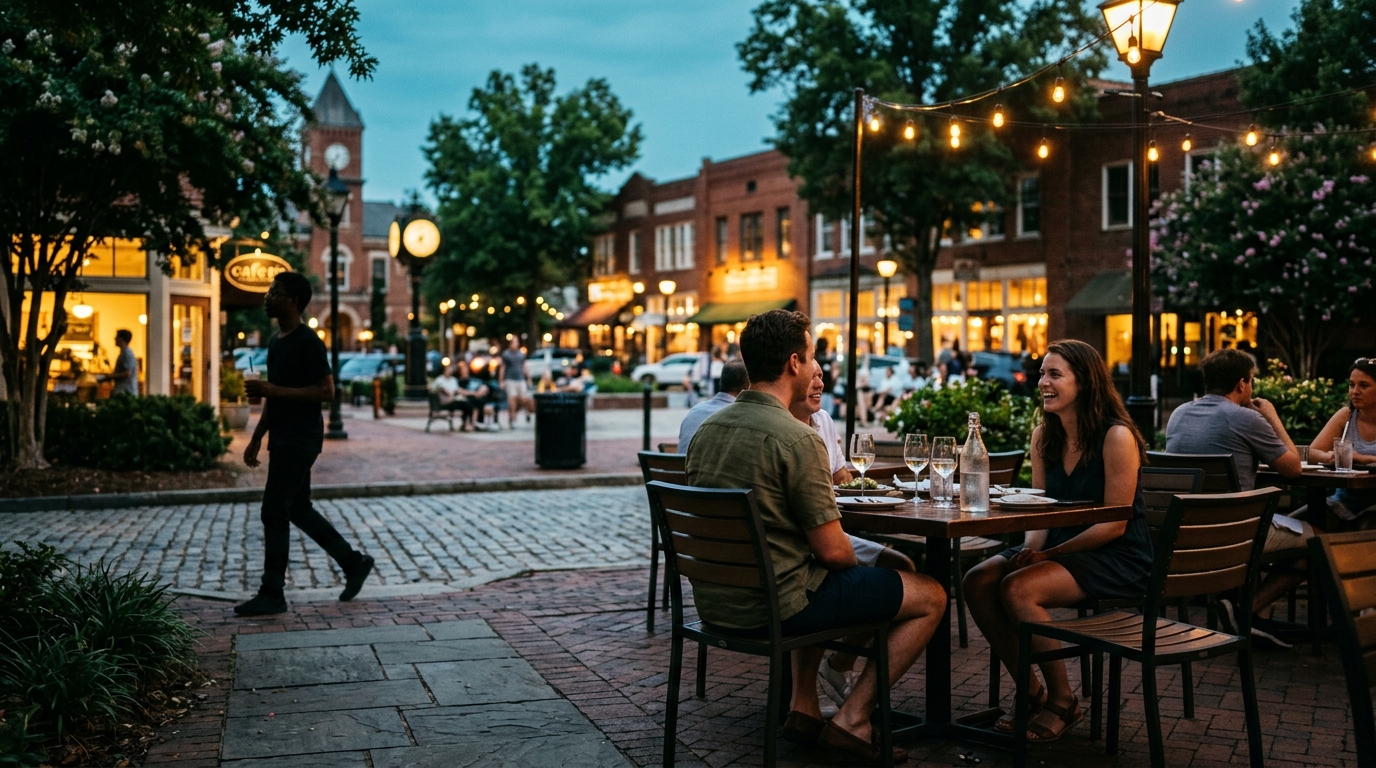 Independent bookshops share sidewalks with wine bars that could hold their own in Midtown. The MARTA station puts you nine minutes from downtown without ever touching I-20, which matters more this September than it has in years given JLL's forecast that metro Atlanta's population could swell 30 percent by 2050. Decatur's already built for that density. Most of the city isn't yet.
Housing Stock That Actually Holds Up
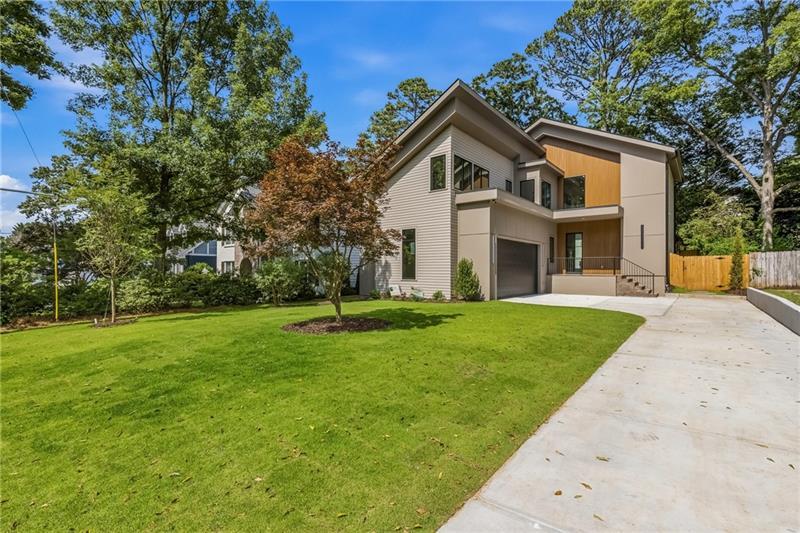
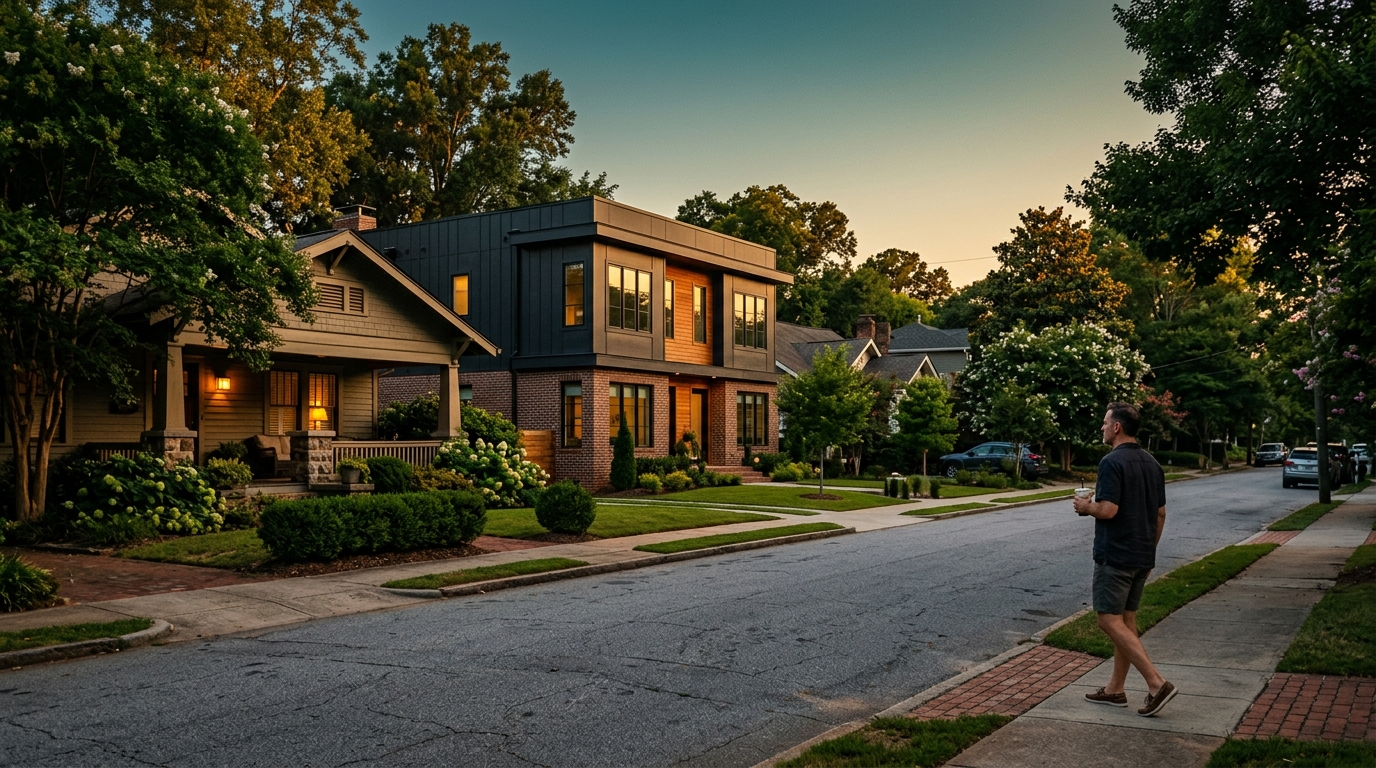
Craftsman bungalows on quarter-acre lots still dominate the historic core, but the last decade has brought in a wave of tasteful infill — modern townhomes and small-lot singles that respect the scale of the street instead of fighting it. Prices have climbed, no question, but so has the case for buying here versus chasing the exurbs. Fewer people are leaving for the far suburbs than the highway billboards would have you believe; Decatur's the proof that you don't have to.
What's Coming Next
 The Beltline's newly detailed $3.5 billion transit vision touches Decatur's western edge indirectly through the Kirkwood and East Lake connectors, and locals are watching closely. A city this walkable, this dense with independent businesses, doesn't need much help. It just needs the region to catch up.